A drone hit a courthouse in Sudan at midday. Thirteen people died waiting on paperwork.
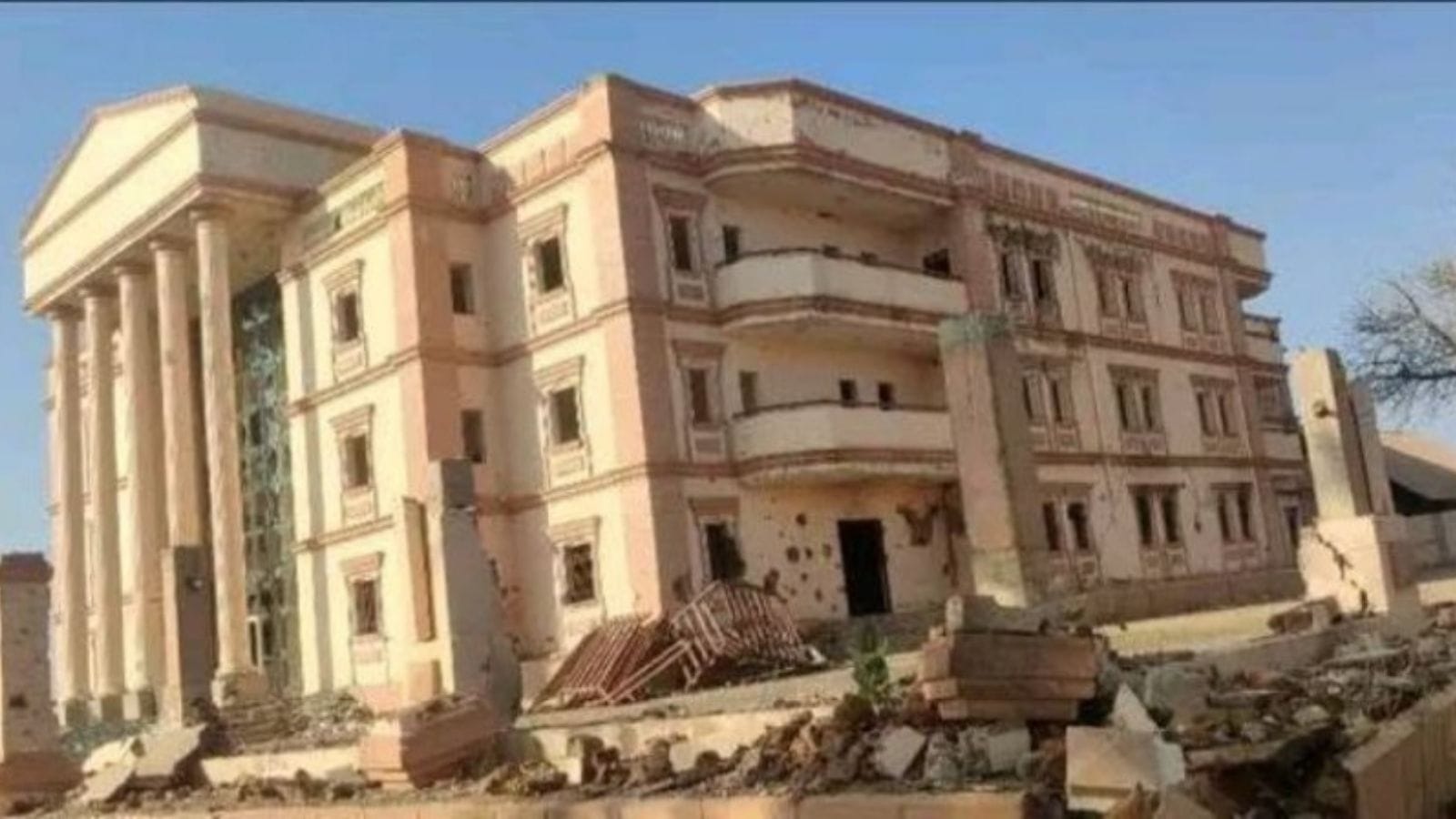
The strike came in around one in the afternoon on September 8. It hit a courthouse in Um Rawaba, in Sudan's North Kordofan state, along with a small market and homes nearby.
One in the afternoon is when a courthouse is full. Xinhua reports residents had gathered there for legal and administrative business, the ordinary paperwork of a town still functioning in the middle of a war.
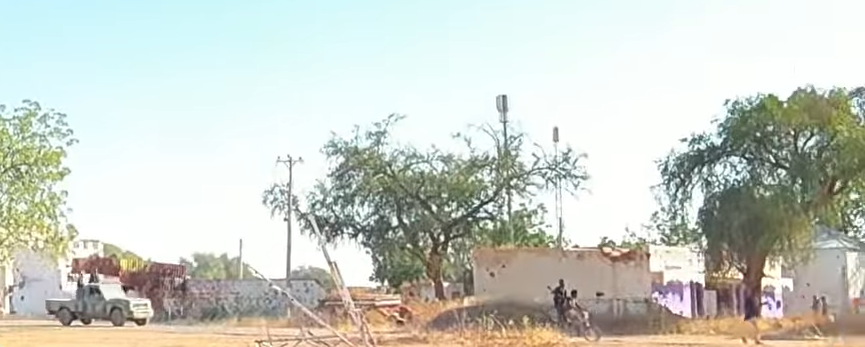
Thirteen people were killed and twenty-two wounded, according to a medical source at a local hospital, reported by AFP and corroborated by Xinhua.
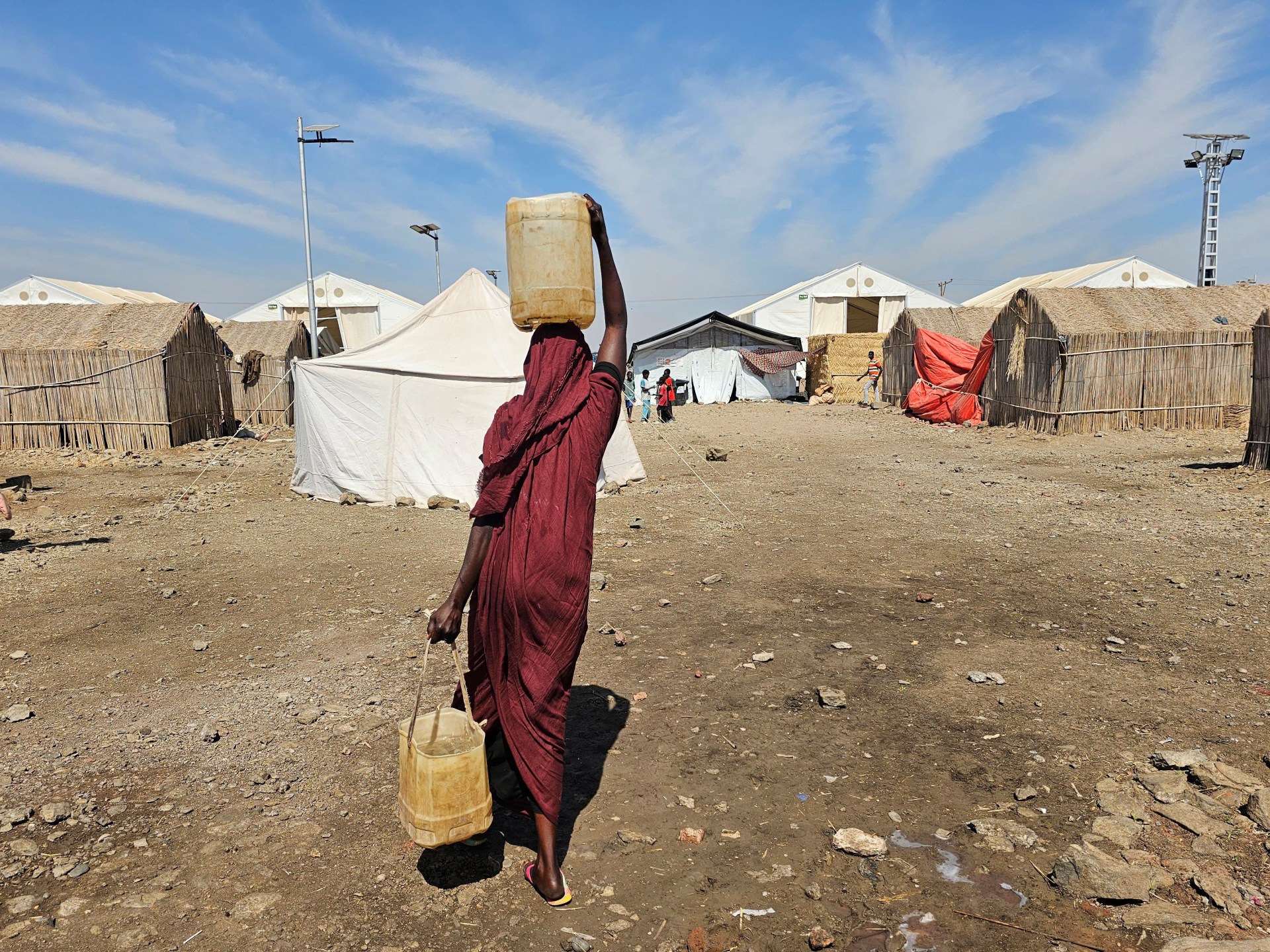
Sudan's Doctors Network blames the Rapid Support Forces and calls it a new massacre. The RSF has not commented on the accusation.
Um Rawaba matters because of where it sits: on the route linking central Sudan to the west. The army holds it. That is the whole of its strategic significance, and it is why a courthouse in it was worth a drone.
The number that puts this one strike in proportion comes from the UN human rights office. Awa Dabo, the deputy high commissioner, told the Human Rights Council in Geneva that at least 1,120 civilians were killed by drone strikes in Sudan in the first six months of 2026. That is eighty percent of every civilian death the office documented in that period.
An earlier UN report put it at more than eighty percent across the first four months, at least 880 killed. The share has not moved. The count has.
This is what has changed about the war. Drone strikes are not an air force's work anymore. They are cheap, they are available, and they reach a market town two hundred miles from any front line at one in the afternoon.
Thirteen people went to a courthouse on a Tuesday and did not come home.
By the numbers
- 13 — killed in the Um Rawaba strike, per a local hospital medical source[1]
- 22 — wounded in the same strike[2]
- 1 p.m. — local time the strike hit, while residents were gathered at the courthouse for legal and administrative business[3]
- 1,120 — civilians killed by drone strikes in Sudan in the first six months of 2026[4]
- 80% — of all civilian deaths documented by the UN human rights office in that period were caused by drone strikes[5]
- 880 — civilians killed by drones in the first four months of 2026, the earlier UN figure, also more than 80 percent of documented civilian deaths[6]
The reporting
This story is built on reporting by AFP. Read the original →
Sources
- Al-Monitor (AFP), Drone strike near courthouse in central Sudan kills 13
- Xinhua, Drone strike on Sudanese courthouse kills 13
- Middle East Monitor, Drone strikes killed 1,120 civilians in Sudan in first half of 2026, UN says
- UN News, Drones caused over 80 percent of civilian deaths in Sudan in early 2026
Image credits
- Hero: source (Editorial, operator-cleared) — Sudan Tribune
- RSF fighters: source (CC BY 4.0) — Alwedatalah/Wikimedia Commons
- Displaced woman: source (Editorial, operator-cleared) — AFP