New York's government knew the air at Ground Zero was dangerous. It spent 25 years saying the records did not exist.
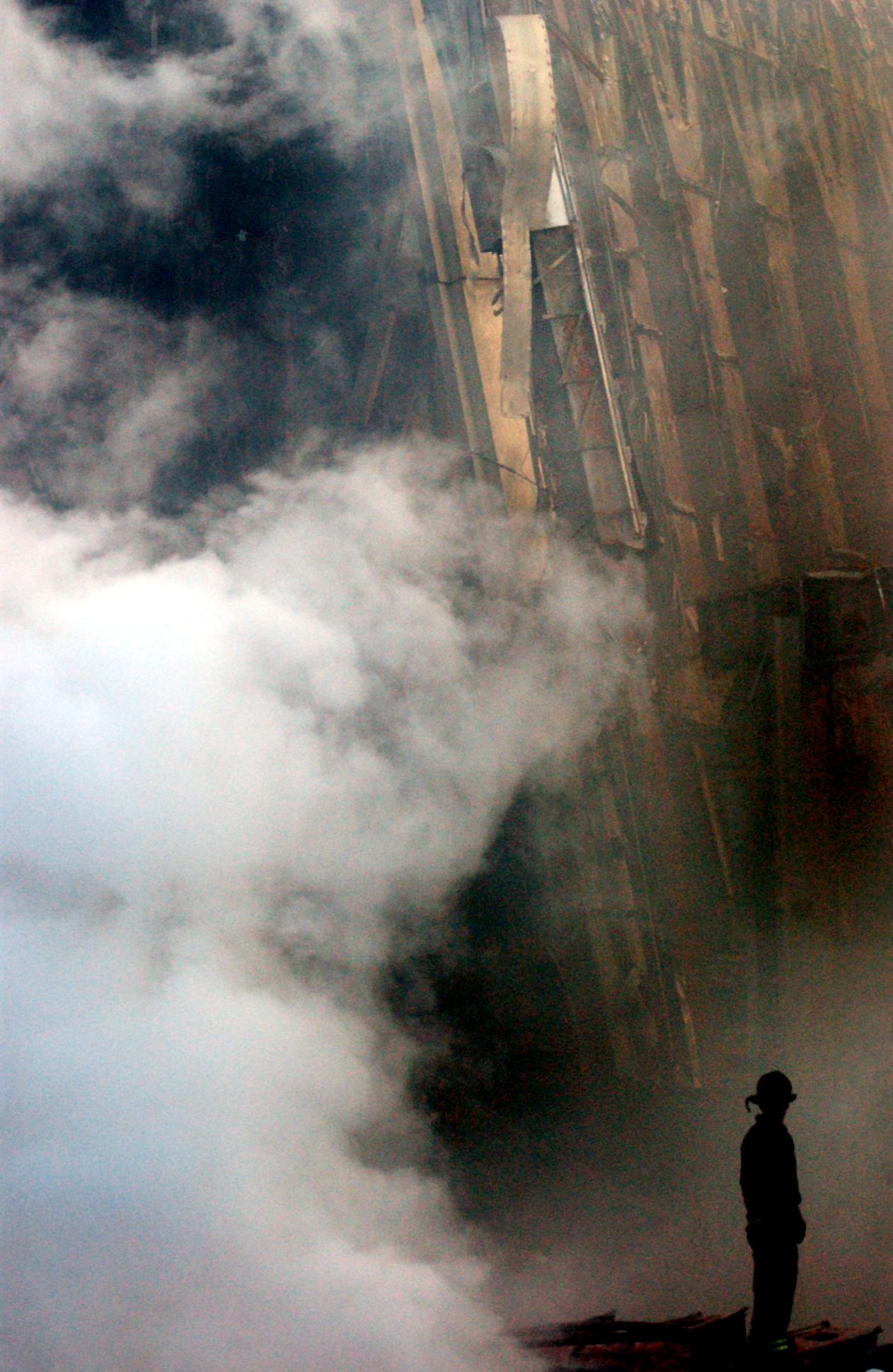
On September 8, three days before the twenty-fifth anniversary, New York City opened a public portal and put more than 170,000 pages of its own post-9/11 records on it. Sixty-eight boxes of Department of Environmental Protection files were part of it. The city had said those boxes could not be located. They were found in 2025.
The release was not a gesture. It settled two Freedom of Information Law lawsuits the city had already lost.
9/11 Health Watch filed the request on September 8, 2023. In January 2024 the DEP and the Office of Emergency Management denied it, saying that after a diligent search no responsive records existed. On May 28, 2026, Justice James G. Clynes ruled that denial arbitrary and capricious and a violation of FOIL law. On July 1, 2026, the DEP's records appeal officer, Russell Pecunies, testified under oath that a lawyer had directed him to deny the request without any search being conducted.
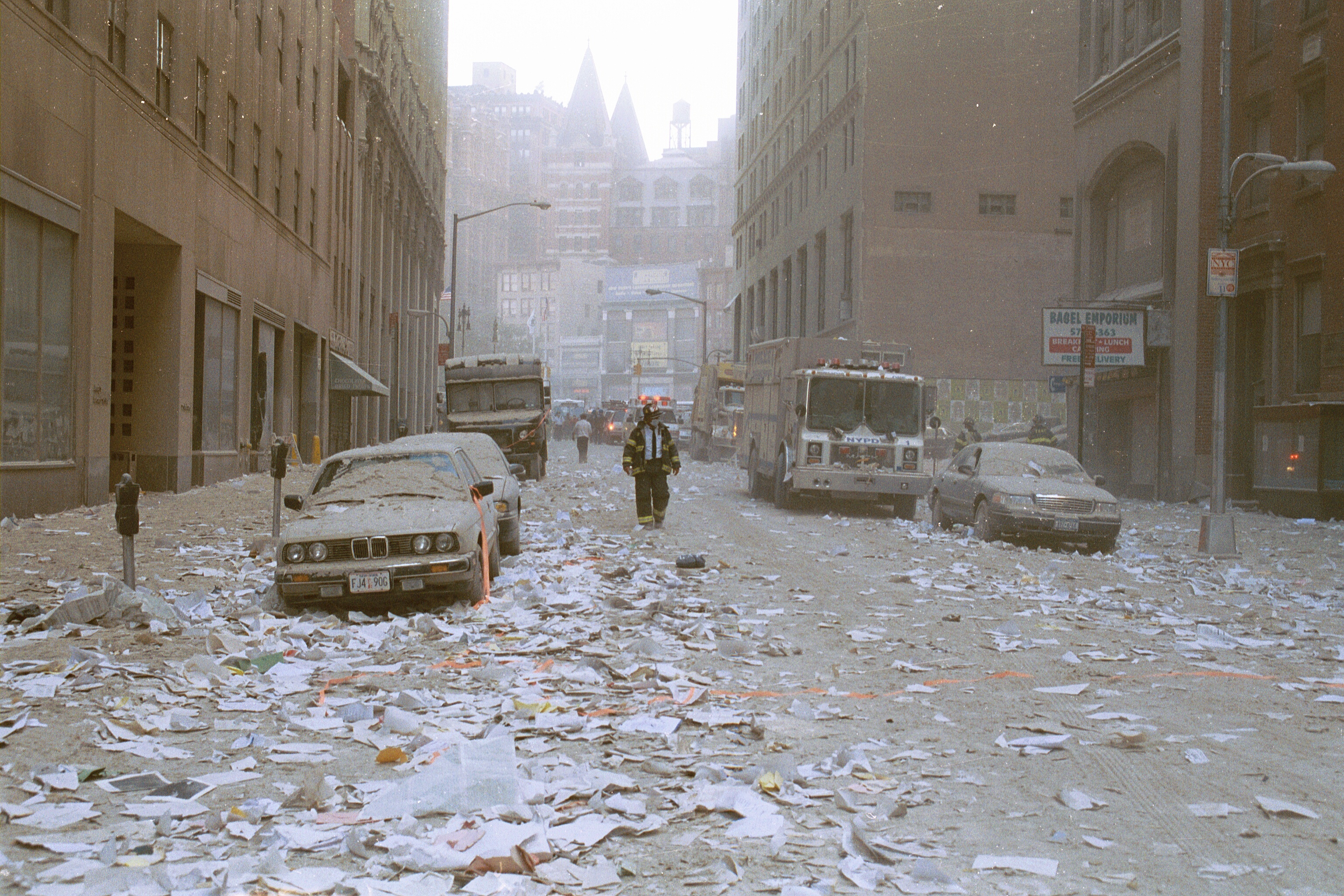
That is the part worth holding onto. The records were not lost. The search was not performed.
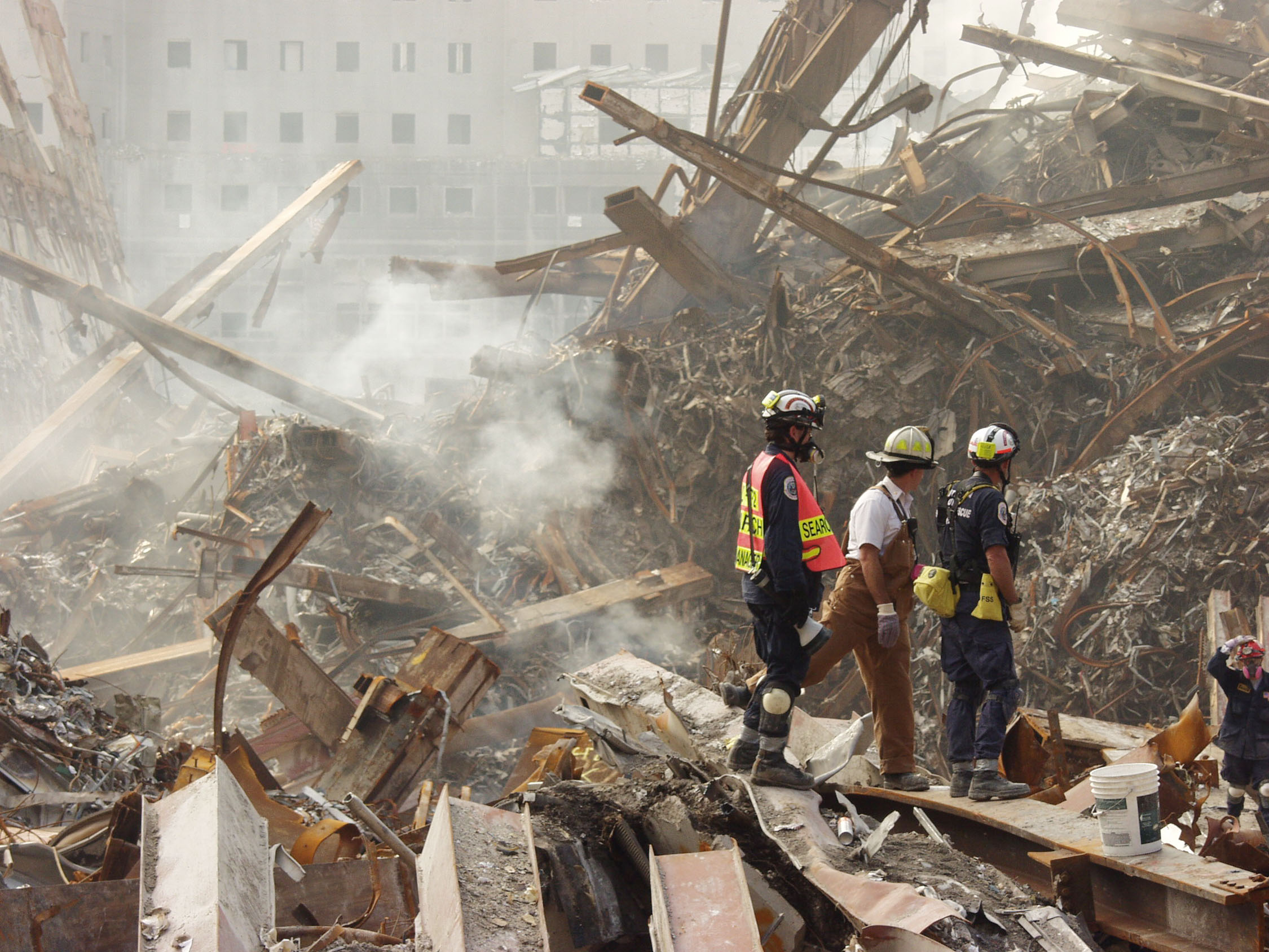
What the pages contain is the reason the search was not performed.
In October 2001, a memo to then-Deputy Mayor Robert Harding carried a Law Department estimate: roughly 35,000 people were likely to become sick enough to have a claim against the city over toxic exposure, and about 10,000 of them were expected to actually file. That was the city's own arithmetic, four weeks after the towers came down.
Legislation inserted after the attacks capped the city's liability at $350 million.
35,000 people the city expected to get sick. A $350 million ceiling on what it could be made to pay them.
Then, on May 16, 2002, an unsigned memo headed Clean Up Initiative recorded the instruction plainly: "I stressed that we would not use the word risk in any letters as it would defeat the purpose of creating public confidence."
Public confidence is the phrase the memo uses. The letters in question were the ones telling residents of Lower Manhattan how to clean their apartments.
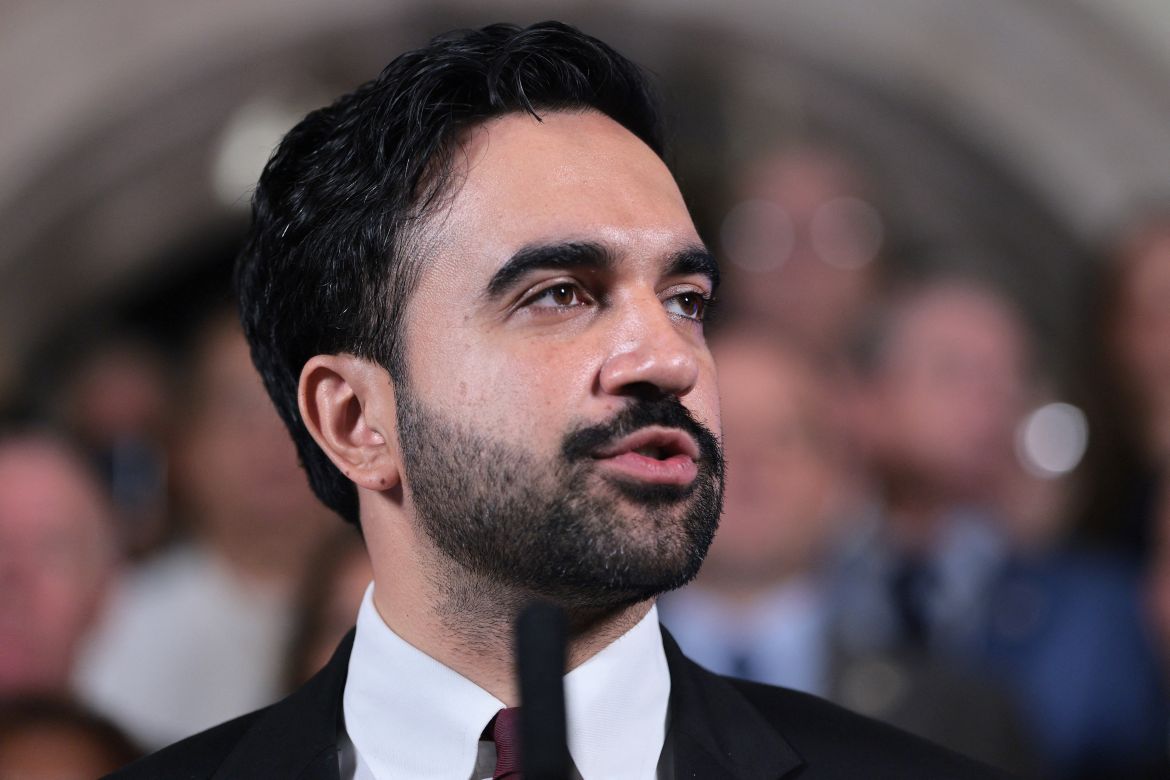
Mayor Zohran Mamdani, announcing the release, did not hedge about what it means: "People got sick because the leaders they trusted lied and told them they were safe to breathe in toxic air."
The city budgeted $34.2 million to build and maintain the portal, and funded a $4 million Department of Investigation review as part of the settlement. It is spending money now to open records it spent years insisting were not there.
9/11 Health Watch was founded by the New York State AFL-CIO. Its executive director, Benjamin Chevat, helped develop the Zadroga Act, the law that pays for the medical care of the people who worked on that pile.
Twenty-five years on, the pages are public. The question they raise is not what happened in 2001. It is what accountability is supposed to look like a quarter of a century after the fact, when the people who wrote the memos are gone and the people who breathed the air are not.
By the numbers
- 170,000+ — pages of city records released starting Sept. 8, 2026, ahead of the 25th anniversary[1]
- 68 — boxes of Department of Environmental Protection records, previously said to be unlocatable, found in 2025[2]
- 35,000 — people the city's Law Department privately estimated would become sick enough to have a claim, per the October 2001 Harding Memo; about 10,000 were expected to actually file[3]
- $350 million — the ceiling on the city's liability, set by legislation inserted after the attacks[4]
- May 16, 2002 — date of the unsigned 'Clean Up Initiative' memo recording that the word risk would not be used in any letters[5]
- May 28, 2026 — Justice James G. Clynes ruled the DEP's denial arbitrary and capricious and a violation of FOIL law[6]
- July 1, 2026 — DEP records appeal officer Russell Pecunies testified under oath that a lawyer directed him to deny the request without conducting any search[7]
- $34.2 million — budgeted to build and maintain the public records portal[8]
- $4 million — funded for a Department of Investigation review as part of the settlement[9]
The reporting
This story is built on reporting by amNewYork. Read the original →
Sources
- amNewYork, 9/11 public portal: Mamdani releases first 170,000 pages as records renew questions over air quality warnings
- 9/11 Health Watch, Effort to get New York City to release 9/11 documents
- 9/11 Health Watch, Statement on historic settlement with NYC of 9/11 Health Watch's FOIL request
- NYC Mayor's Office, 25 years later: Mamdani administration opens city's 9/11 records
- Democracy Now, 9/11 records release
- ABC News, NYC Mayor Mamdani releases thousands of long-sought city records
- ABC7NY, Mamdani administration releasing 170,000 pages of post-9/11 air quality documents
- The City Reporter, Mamdani 9/11 air quality documents
Image credits
- Hero: source (Public domain, U.S. Navy) — PH2 Jim Watson/U.S. Navy
- Mamdani press conference: source (Editorial, operator-cleared) — Michael M. Santiago/Getty Images via AFP
- Ash-covered street: source (Public domain) — George Miller/New York City Transit Authority
- Debris pile: source (Public domain, FEMA) — Michael Rieger/FEMA
