Police are buying surveillance cameras with opioid settlement money meant for treatment.
The money is not yours. That is the first thing to understand about it.
It came from the companies that made and distributed the pills. Sued by every state and thousands of local governments over their part in the opioid epidemic, the distributors agreed to pay up to $21 billion over 18 years and Johnson and Johnson up to $5 billion more. Teva, Allergan, CVS, Walgreens and Walmart followed with their own agreements. None of them admitted wrongdoing; the distributors' agreement says in terms that nothing in it may be construed as an admission of liability, all of which they expressly deny.
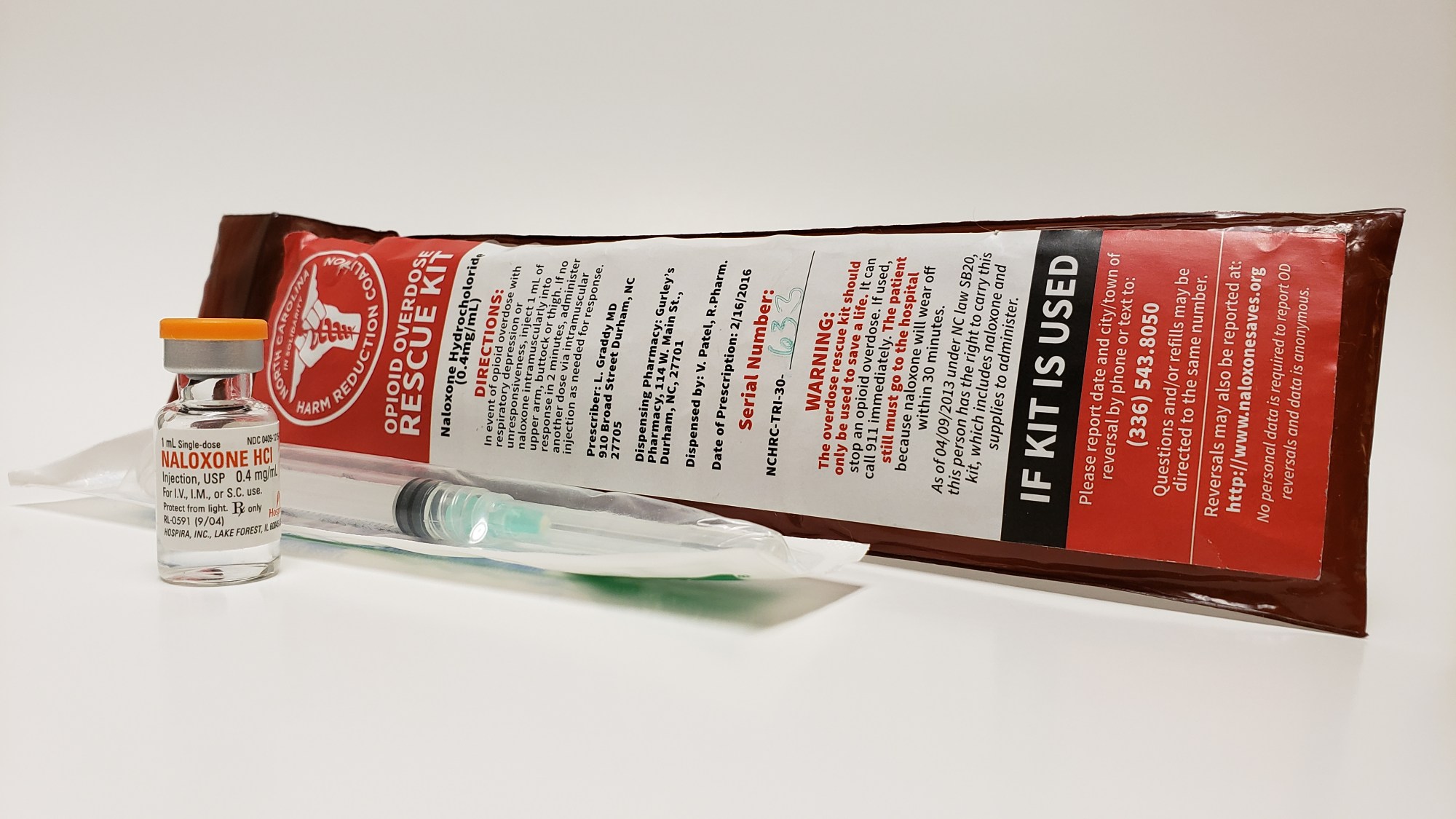

What the settlements do require is where the money goes. At least 85 percent of the funds going directly to participating states and subdivisions must be used for abatement of the opioid epidemic. The national list of approved uses runs to treatment, prevention, recovery and harm reduction. Where it names law enforcement at all, it names three things: fentanyl safety training for first responders, funding and training for pre-arrest diversion programs, and wellness services for responders carrying secondary trauma.

It does not authorize equipment.
That is the rule. Here is the spending.
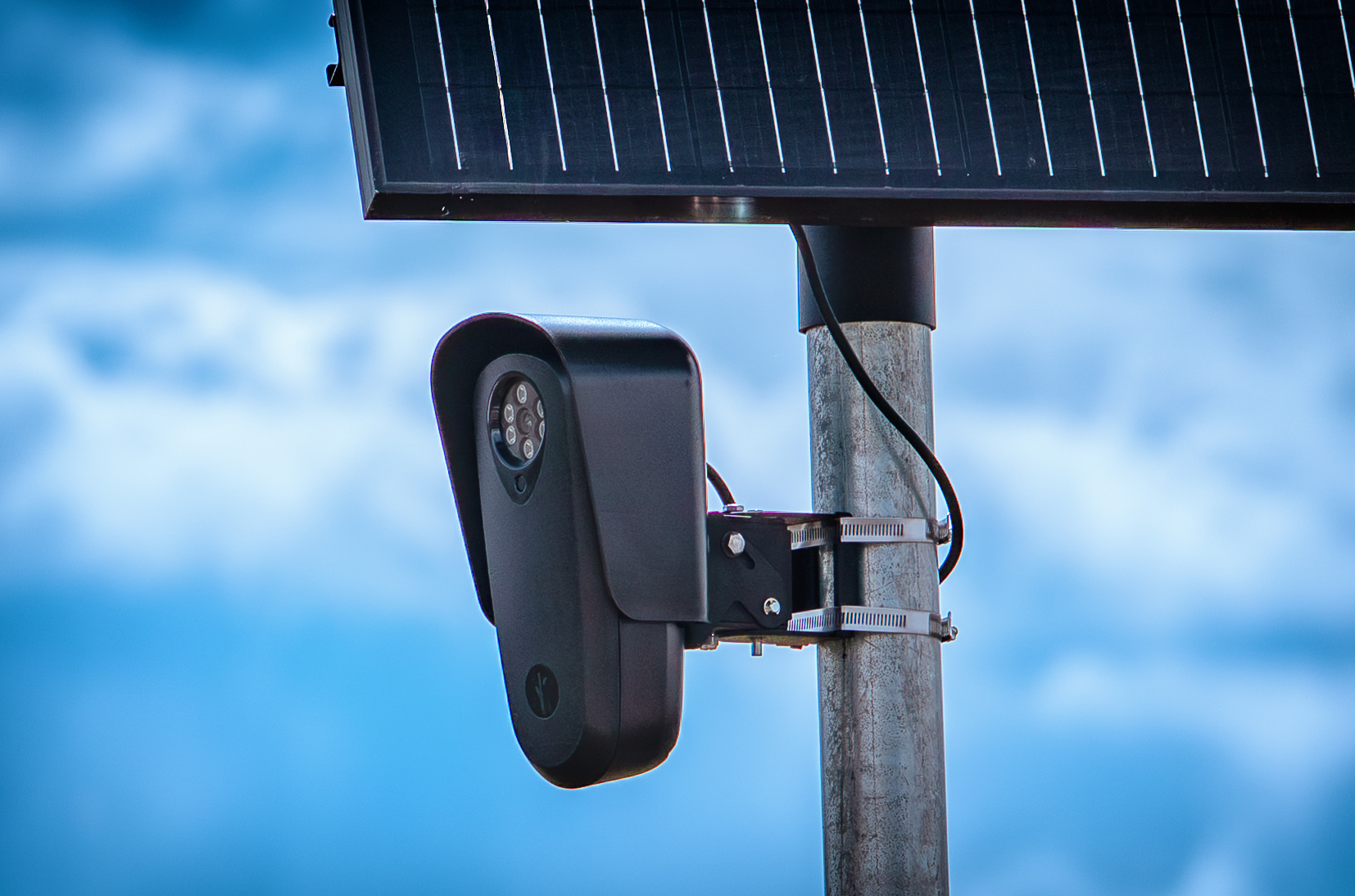
An investigation carried by Mother Jones found 19 law enforcement agencies across 10 states had spent more than $920,000 of settlement money on AI-powered automated license plate readers. At least 12 of them bought Flock cameras specifically. The cameras photograph every passing vehicle and read its plate.
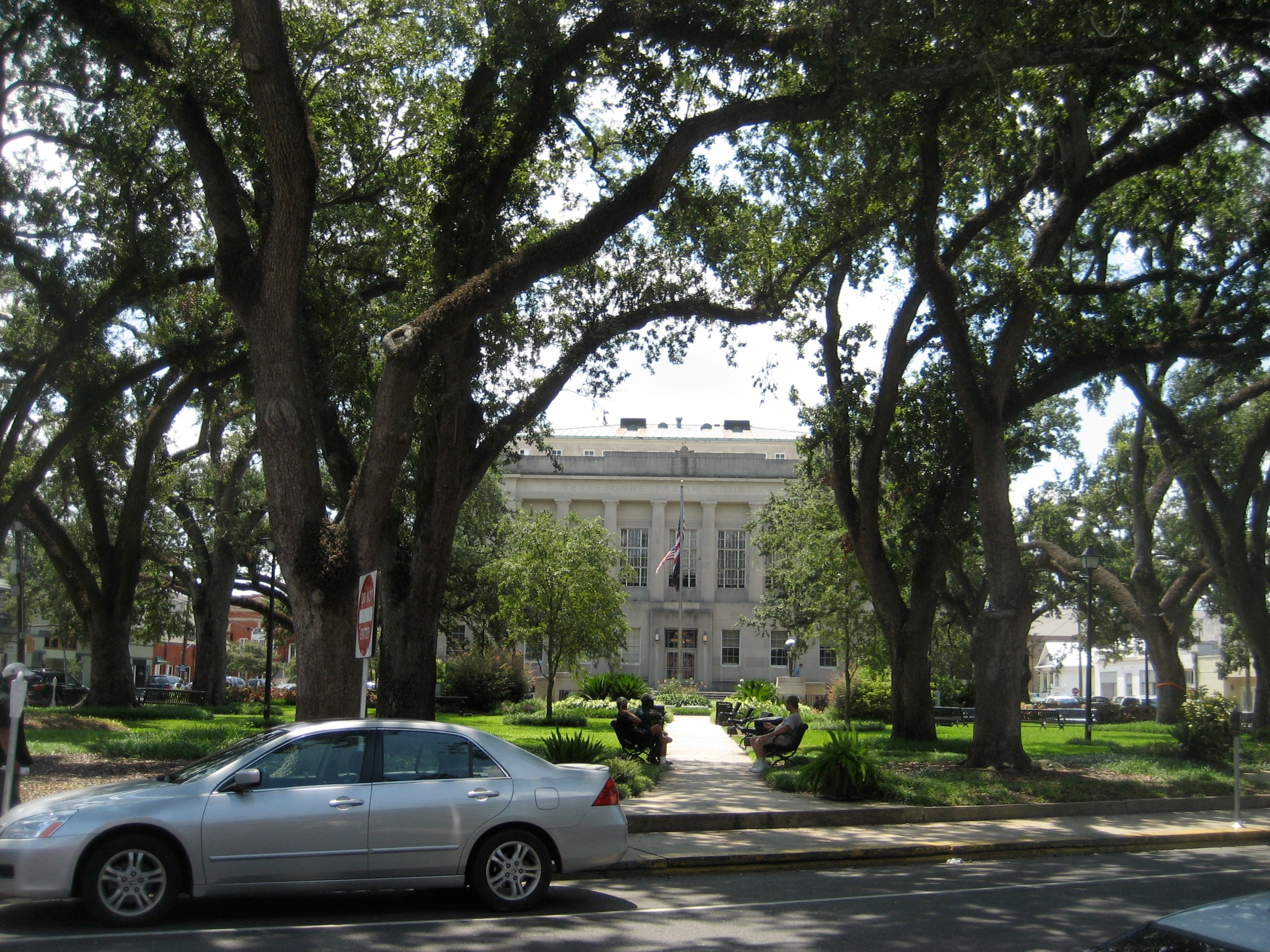
Terrebonne Parish, Louisiana spent $465,000 of it on Flock cameras. A sheriff's spokesman said the agency's role is primarily focused on disrupting the criminal activity that fuels addiction in the community.
Sunnyside, Washington approved $24,000 in settlement funds for a one-year lease on a mobile Flock camera trailer. The area has one of the highest overdose death rates in the state and no medical detox center.
So how does equipment get bought with money the national list reserves for treatment? Louisiana wrote its own door. The state's agreement with parishes and sheriffs receiving settlement cash contains broad categories for allowable spending, including law enforcement expenditures relating to the opioid epidemic. Louisiana has no unallowable list of its own.
Thirty-eight of the state's 64 sheriffs reported spending more than $8.1 million. A review panel disapproved of about two-thirds of it. Sheriffs are not required to proactively report to the public or another authority how they spend billions in opioid settlement cash, and the state's abatement task force, in the words of a panel member who once chaired it, has no teeth to enforce its recommendations.
Between 1999 and 2023, roughly 806,000 people in the United States died of an opioid overdose. That is the ledger the $26 billion was meant to answer.
By the numbers
- $26 billion — up to $21 billion from the distributors over 18 years plus up to $5 billion from Johnson and Johnson, with at least 85 percent required to be spent on abatement of the opioid epidemic[1]
- 19 agencies in 10 states — law enforcement agencies that spent more than $920,000 of opioid settlement money on AI license plate readers; at least 12 bought Flock specifically[2]
- $465,000 — opioid settlement funds Terrebonne Parish, Louisiana spent on Flock cameras[3]
- $8.1 million — reported by 38 of Louisiana's 64 sheriffs, of which a review panel disapproved of about two-thirds[4]
- 806,000 — people in the United States who died of an opioid overdose between 1999 and 2023[5]
The reporting
This story is built on reporting by KFF Health News. Read the original →
Sources
- KFF Health News, Louisiana sheriffs' opioid settlement spending
- The Cool Down, carrying the Mother Jones investigation
- National Opioid Settlement, executive summary
- Exhibit E, List of Opioid Remediation Uses
- Distributors settlement agreement, no admission of liability
Image credits
- Hero: source (CC BY 4.0, via Wikimedia Commons) — Tony Webster
- In story: source (CC BY-SA 4.0, via Wikimedia Commons) — Intropin (Mark Oniffrey)
- In story: source (CC BY-SA 3.0, via Wikimedia Commons) — Infrogmation of New Orleans
