Most Coast Guard surfmen report brain injury symptoms. The service has never looked.
A note before you read: this story describes a death by suicide. If you are struggling, the 988 Suicide and Crisis Lifeline is available in the US by call or text at 988.
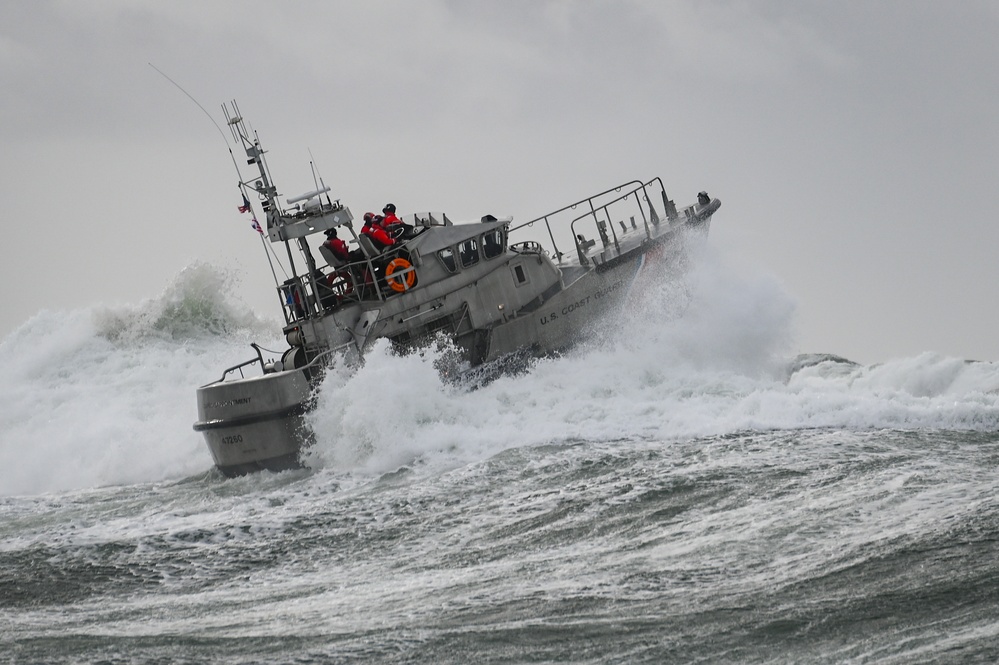
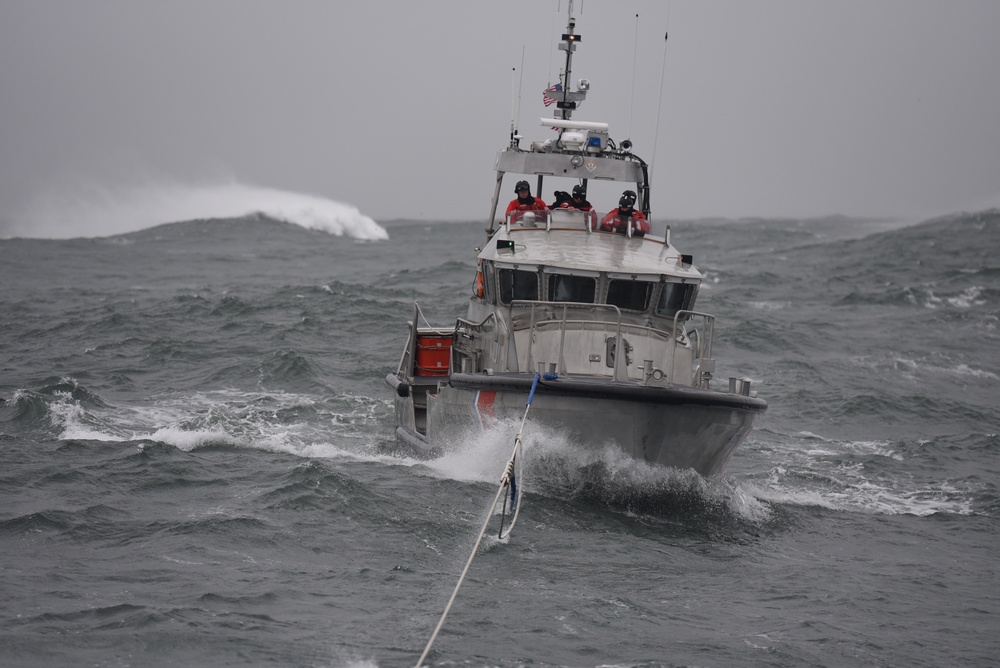
There are about 130 active-duty surfmen in a Coast Guard of roughly 40,000 people. Being certified as a surfman means the service trusts you to command and drive a lifeboat on the missions nobody else takes, CBS News reported. The training happens in 25, 30 and 35-foot breaking seas, in fifty knots of wind.
One of them described what that costs. A 20-foot wave breaking on you is like being in a car crash, a surfman told the New York Times. If you are out training in large surf, that is like 20 car accidents a day.
That is the job. Here is what nobody had counted.
Seventy-seven active and retired surfmen responded to an informal survey that a high school student conducted for a school paper. They reported headaches, memory lapses, cognitive problems, anxiety attacks, mood swings and a list of other ailments that can be symptomatic of brain injuries. Few of them had ever been diagnosed with a head injury by the Coast Guard.
The student was Kayleigh Bonner. Her father, Brett, was a surfman through a 21-year career and later an instructor at the National Motor Lifeboat School. In 2025 he killed himself, after exhibiting obvious signs of traumatic brain injuries. She looked for answers from the Coast Guard and found nothing.
So she asked the surfmen herself.
The Coast Guard has never studied the hazard that waves may pose to the brain. It does not test for brain injuries. Its own web page on the subject is out of date, and the links on it, including the one marked Where to get help, are dead.
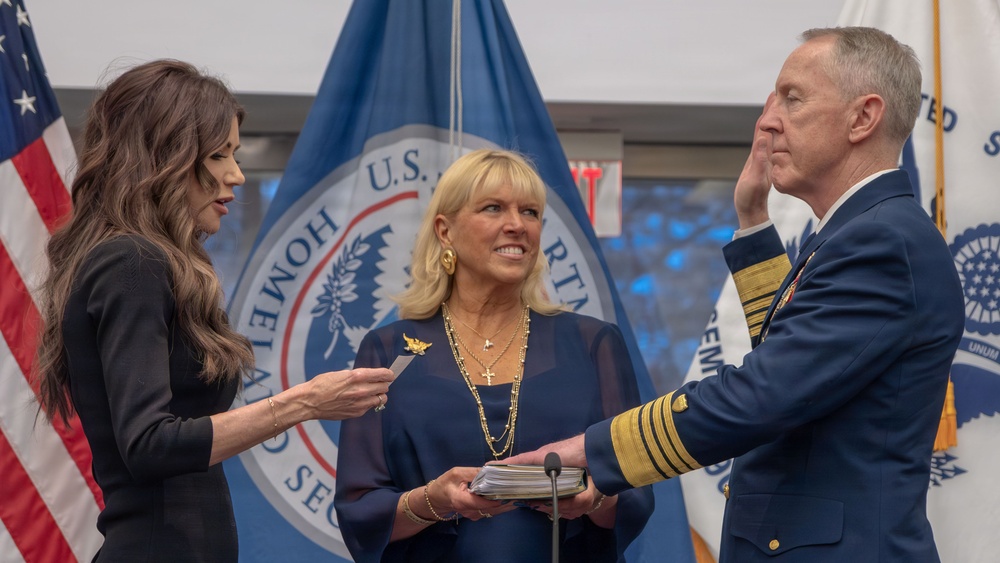
Hours after the Times published, Adm. Kevin Lunday, the 28th Commandant, emailed the whole service and pledged a new brain health initiative. Taking care of your brain health is an operational necessity and a matter of readiness, he wrote.
Brett Bonner's widow, Jenna, told the Chinook Observer that she had spoken with the Commandant and the Master Chief Petty Officer of the Coast Guard, and that they are in no way focusing only on surfmen.
Seventy-seven people answered a high school survey. It is still the only count anyone has.
By the numbers
- about 130 — active-duty surfmen in a Coast Guard of roughly 40,000 members[1]
- 77 — active and retired surfmen who responded to an informal survey conducted for a high school paper; most reported symptoms consistent with brain injury and few had ever been diagnosed[2]
- 21 years — the length of Brett Bonner's Coast Guard career; he killed himself in 2025 after exhibiting obvious signs of traumatic brain injuries[3]
The reporting
This story is built on reporting by The New York Times. Read the original →
Sources
- Chinook Observer, Speak up for our heroic Coast Guard rescuers
- CBS News, Inside the Coast Guard's surfman training
- PA Providers, Rescue Boat Crews Show Signs of Brain Injuries, but Coast Guard Isn't Looking
- MOAA, Lunday takes helm as Coast Guard's 28th Commandant
- Newser, Investigation Spurs Coast Guard on Waves Causing Brain Injuries
Image credits
- Hero: source (US Coast Guard photo, public domain) — Petty Officer 2nd Class Steven Strohmaier
- In story: source (US Coast Guard photo, public domain) — Petty Officer 2nd Class Steven Strohmaier
- In story: source (US Coast Guard photo, public domain) — Petty Officer 2nd Class Gabriel Wisdom