One more hour a day of unbroken sitting is tied to a 9 percent higher cancer death risk. Breaking it up every half hour goes the other way.

Most of what we know about sitting comes from people writing down how much they think they sat. This study did not ask.
Researchers tracked 91,292 UK Biobank participants who wore wrist accelerometers for a week, then followed them for twelve years. None had a prior cancer diagnosis.
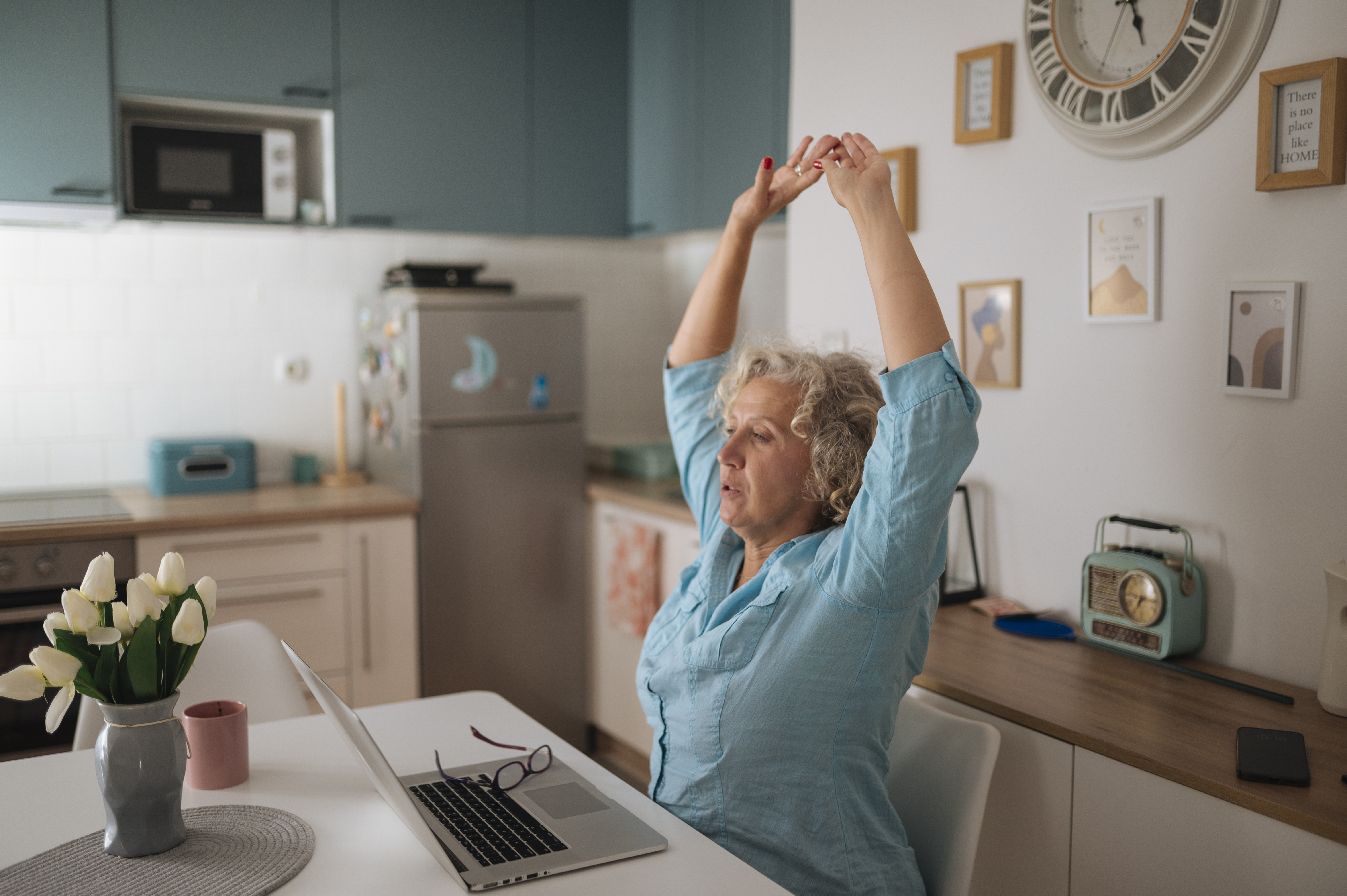
The finding is about shape rather than volume. What the study measures is time spent in unbroken sedentary stretches of thirty minutes or more.

Each additional hour a day spent in those unbroken stretches was associated with a 9 percent higher risk of dying from cancer, a hazard ratio of 1.09 with a confidence interval of 1.06 to 1.11. Overall cancer incidence moved 3 percent.
Read the other direction of the same finding, because it is the more useful one.
Each additional hour of sedentary time that was broken up roughly every thirty minutes was associated with an 18 percent lower risk of cancer mortality, a hazard ratio of 0.82. Swapping one hour of unbroken sitting for light physical activity was associated with 12 percent lower cancer mortality.
Same hours in a chair. Different arrangement. Different number at the end.
Now the caveat, which the researchers put first and we will not bury. This is observational. It shows an association across a very large group of people, not proof that a given person who starts standing up every half hour will lower their own risk. Senior author Frederick Ho is an epidemiologist at the University of Glasgow, and the work was done with Harvard researchers.
The study was published in PLOS Medicine on July 2.
It does not tell you to sit less. It tells you to sit differently.
By the numbers
- 91,292 — UK Biobank participants who wore wrist accelerometers for a week, followed for 12 years, no prior cancer[1]
- 9 percent — higher cancer death risk per additional daily hour in unbroken sedentary bouts of 30+ minutes (HR 1.09, 95% CI 1.06-1.11)[2]
- 3 percent — higher overall cancer incidence per additional daily hour in unbroken sedentary bouts[3]
- 18 percent — lower cancer mortality risk per additional hour of sedentary time broken up roughly every 30 minutes (HR 0.82)[4]
- 12 percent — lower cancer mortality risk when one hour of unbroken sitting is swapped for light physical activity[5]
- July 2, 2026 — publication date in PLOS Medicine, led by University of Glasgow and Harvard researchers[6]
- observational — the research shows associations only, not proof that changing sedentary behaviour reduces an individual's own cancer risk[7]
The reporting
This story is built on reporting by PLOS Medicine. Read the original →
Sources
- Cancer mortality and sedentary behaviour patterns, PLOS Medicine
- ScienceAlert, Just one extra hour of uninterrupted sitting raises cancer risk, study finds
- ScienceDaily, independent write-up of the same study
Image credits
- Hero: source (CC0) — Muhammad Raufan Yusup
- Stretch: source (CC BY 2.0) — Unknown, via Wikimedia Commons
- Tracker: source (CC0) — Unknown (Pixabay contributor), via Wikimedia Commons
.jpg)

