The war in Iran has cost American consumers an estimated $100 billion in higher energy prices. About $760 of it is yours.

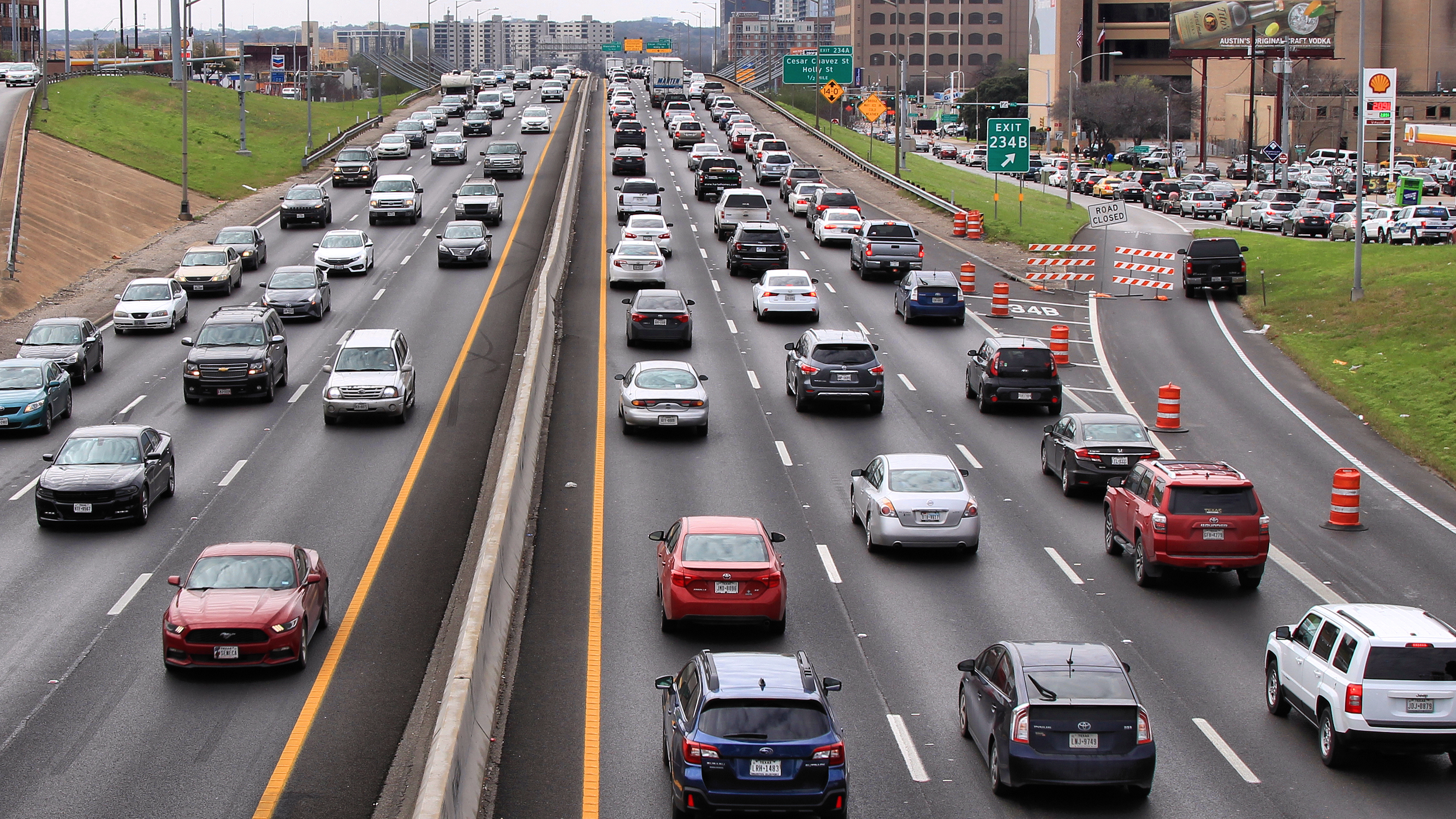
Axios reports that the war in Iran has now cost American consumers $100 billion in higher energy prices, and that the bill is rising by about $1 million every two minutes.
Spread across households, that is more than $760 each since the war began on February 28.
The route it takes to reach you is diesel.
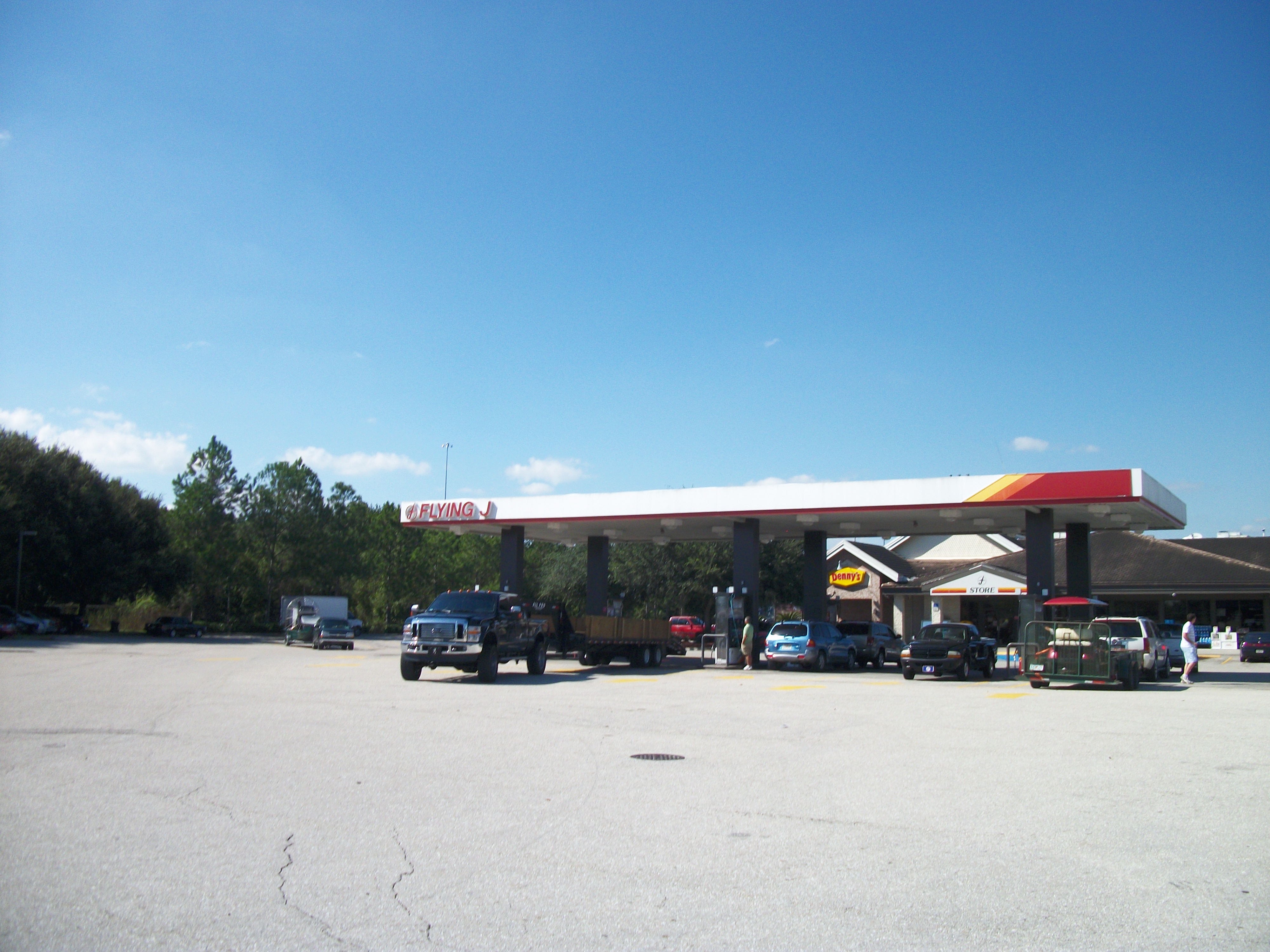
Diesel sits at $5.90 a gallon, per AAA, up about 60 percent from a year ago. The Associated Press, reported through PBS NewsHour, has it hitting a record $5.85 on September 3, passing the 2022 record of $5.82, against $3.76 just before the war. CNBC confirms the record independently and ties it to refinery disruption from both the Iran and Ukraine wars.
Diesel is not a consumer product for most people, which is exactly why it works its way into everything. It moves freight. Freight moves the rest.
Here is what the $100 billion is and is not.
It is a model-based estimate. Researchers compare what Americans actually paid against a counterfactual baseline built from price data, and the gap is the number. It is a real method and it is not an audited count of money that left anyone's bank.
The state breakdown makes the shape of it obvious. Texas is about $11 billion, California about $8 billion, Florida about $5 billion.
That is not a ranking of who was hit hardest. It is a ranking of who burns the most fuel. The Energy Information Administration's own state tables put Texas first in motor gasoline consumption at 347 million barrels, California second at 314 million and Florida third at 224 million. Fourth place is New York, at 125 million, which is less than half of Texas.
The war is not over. Until it is, the meter runs.
By the numbers
- $100 billion — cumulative extra cost to U.S. consumers in higher energy prices since the war began[1]
- $1 million every two minutes — rate at which the tracker's total is rising[2]
- more than $760 — average cost per U.S. household since the war began Feb. 28[3]
- $5.90 a gallon — diesel price per AAA, up about 60 percent from a year ago[4]
- $5.85 on Sept. 3 — record diesel price, passing the 2022 record of $5.82; $3.76 before the war[5]
- Texas $11bn, California $8bn, Florida $5bn — state breakdown of the estimated extra cost[6]
- 347, 314 and 224 million barrels — motor gasoline consumption for Texas, California and Florida, the top three states; New York is fourth at 125 million[7]
The reporting
This story is built on reporting by Axios. Read the original →
Sources
- Axios, The Iran war has cost consumers $100 billion
- PBS NewsHour (AP), U.S. diesel prices hit a record high
- CNBC, Diesel price record high
- U.S. Energy Information Administration, SEDS Table F10 motor gasoline consumption by state
Image credits
- Hero: source (Public domain) — U.S. Department of Defense
- Traffic: source (CC BY 4.0) — Larry D. Moore
- Truck stop: source (CC BY-SA 3.0) — DanTD
_as_it_passes_a_tanker_after_going_through_the_Strait_of_Hormuz_during_Operation_Desert_Shield_-_DPLA_-_1fb70620034c5304df096b4526972ace.jpeg)

