Israel drinks from the sea. In late August, the sea stopped cooperating.
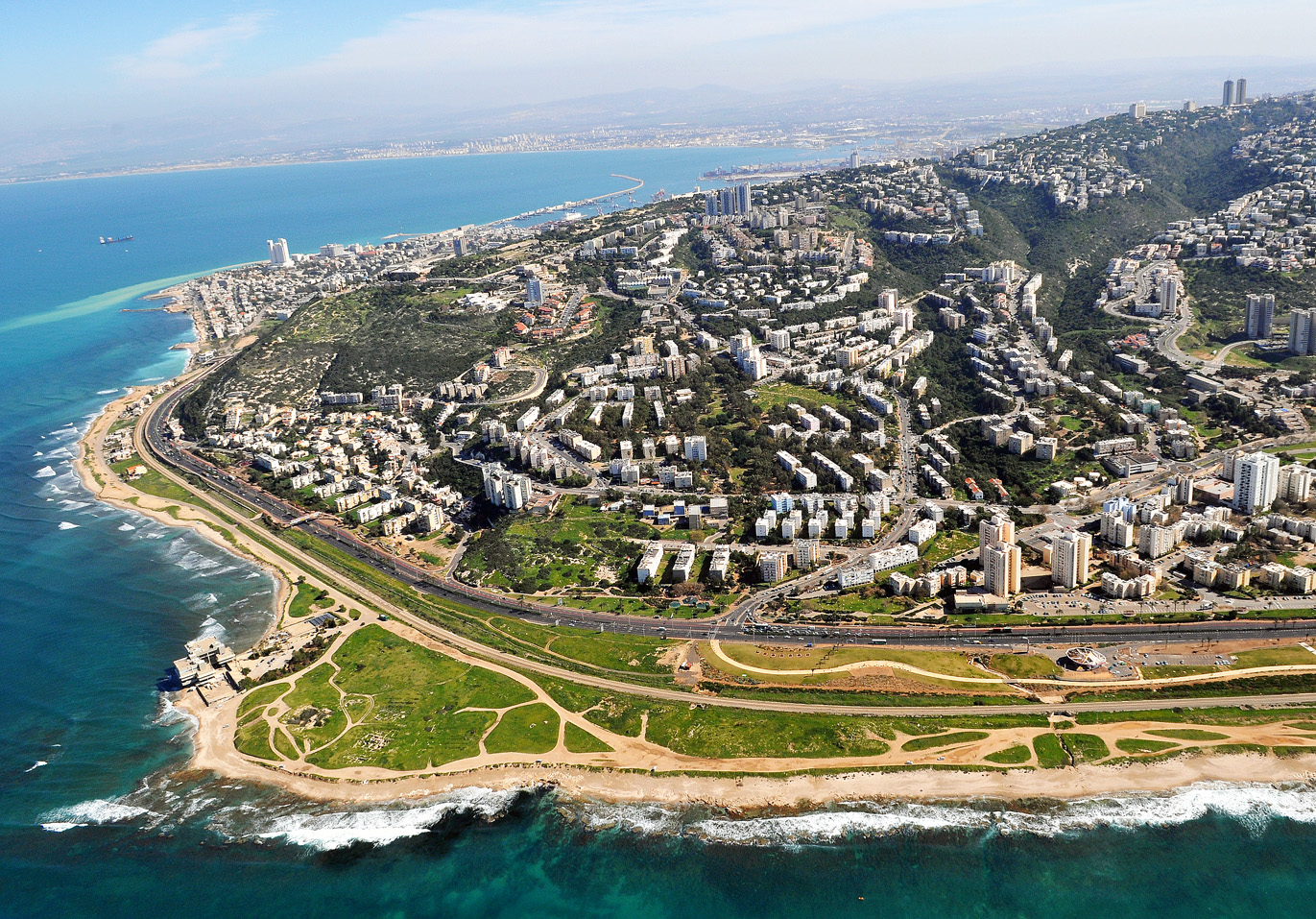
Israel built its way out of drought by turning to the Mediterranean. Over the weekend of August 29, the Mediterranean turned green.
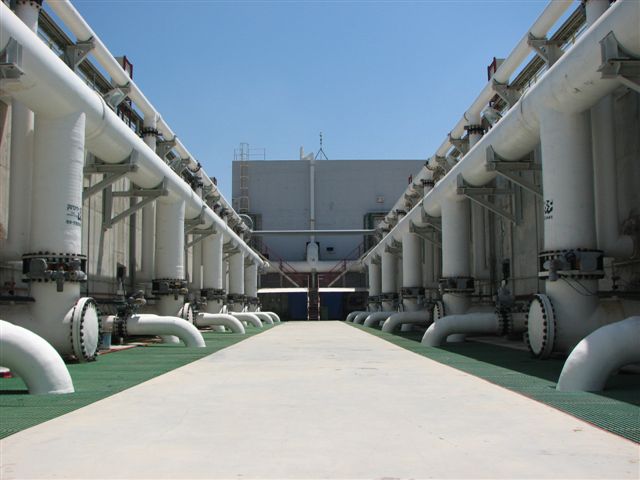
Five of Israel's six desalination plants went offline. Haaretz reported that by September 1 it was the second such shutdown within days, and that it cut roughly 80 percent of the country's desalinated water supply. The Media Line reported the sequence: the plants dropped out over the weekend, only Hadera was still running by Monday, and Sorek A, Sorek B, Palmachim and Ashdod came back by Monday evening.
That is what happened. What caused it is where the scientists stop agreeing.
The organism
Dr. Ruti Kaplan-Levy, who heads the National Algae Center at the Kinneret Limnological Laboratory, identified it as Synechococcus, a cyanobacterium about two microns across. She attributes the bloom to warming seawater. The Israel Oceanographic and Limnological Research Institute, cited by The Media Line, attributes it to microscopic algae likely carried up from Egypt's Nile Delta by sea currents. That account does not mention Gaza.
The Gaza question
Dr. Avner Gross, head of the Climate Change Laboratory at Ben-Gurion University, put it on the record to Ynetnews: "I currently have no other explanation except a pollution source in the southern Gaza Strip." He points to warm water, strong sunlight, phosphorus and nitrogen.
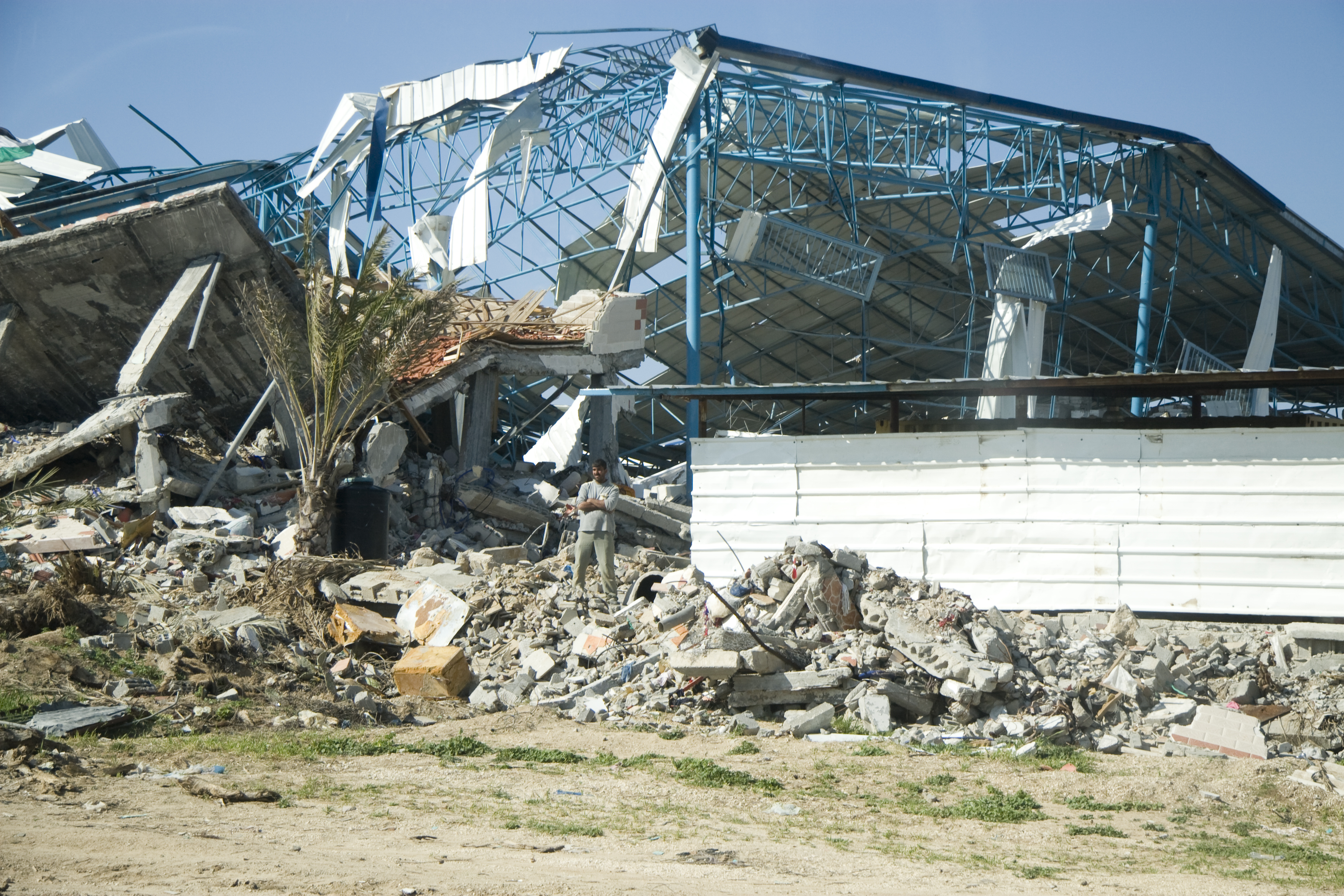
There is a mechanism behind that. The Washington Post reported on September 4 that Israel's military campaign has damaged or destroyed all six of Gaza's wastewater treatment plants, and close to 90 percent of Gaza's water infrastructure. Roughly 10.6 million gallons of wastewater now go into the sea from Gaza untreated every day, with another 3.9 million gallons seeping into the ground. Untreated sewage carries the nutrients that feed blooms, and the currents run north.
The counter-case is on the record too. Prof. Tamar Guy-Haim, a marine ecologist at Israel's National Institute of Oceanography, puts the likelihood of the Gaza sewage theory at "relatively low." And the desalination plant at El-Arish in northern Sinai has been running at reduced capacity since August 30, a disruption with no Gaza sewage anywhere near it.
What they agree on
Al Jazeera's own headline hedges: scientists say Israel's destruction of Gaza's sewage system may have worsened the crisis. May. The one thing more than one of them names without hedging is the water temperature.
Israel spent twenty years engineering its way past a drought, and the engineering held. The sea it engineered around is the part that changed.
By the numbers
- 80 percent — of Israel's desalinated water supply cut by the shutdown, the second within days as of September 1[1]
- five of six — Israeli desalination plants offline, with only Hadera still running by Monday September 1[2]
- all six — of Gaza's wastewater treatment plants damaged or destroyed, along with close to 90 percent of Gaza's water infrastructure[3]
- 10.6 million gallons — of untreated wastewater discharged into the sea from Gaza every day, with another 3.9 million seeping into the ground[4]
- 2 microns — the size of Synechococcus, the cyanobacterium identified in the bloom[5]
The reporting
This story is built on reporting by Haaretz. Read the original →
Sources
- Haaretz, Five of Israel's six desalination plants shut down
- The Washington Post, Water crisis in Israel raises fears
- The Media Line, Nile Delta algae bloom shuts down Israel's desalination plants
- Ynetnews, The algae bloom and the scientists who disagree about it
- Al Jazeera, Did Israel's destruction of Gaza worsen its water crisis
Image credits
- Hero: source (Wikimedia Commons, CC BY 3.0) — Zvi Roger
- Plant: source (Wikimedia Commons, CC BY-SA 3.0) — Michael Jacobson
- Gaza: source (Wikimedia Commons, CC BY-SA 2.0) — gloucester2gaza