More than 120 killed as Yemen's war returns to the Red Sea coast.
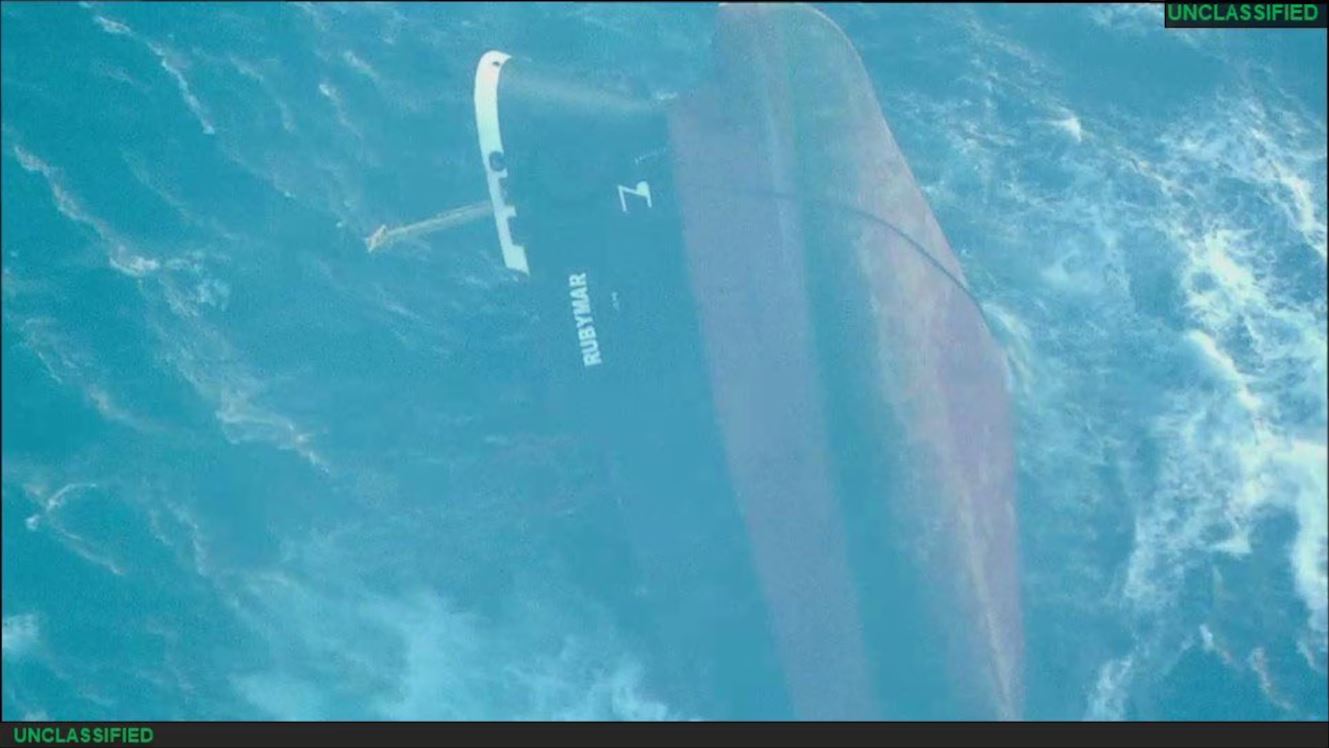
A truce held in Yemen for four years. It broke in July, and on Thursday the fighting returned at a scale the country has not seen since.
Houthi forces launched a ground assault along Yemen's western Red Sea coast, backed by rockets and drones. Arab News reported the objective plainly: cut the road linking Taiz to Mocha, and take the coastline. More than 120 combatants have been killed since Thursday. That count includes 39 government forces, 24 of them on the coast and 15 around Taiz, and at least 42 Houthi fighters, gathered from military officials and medical sources on both sides. An earlier tally on September 3, carried by Al-Monitor citing AFP, put government losses at 13 in the Maqbana mountains along the Mocha-Taiz line.
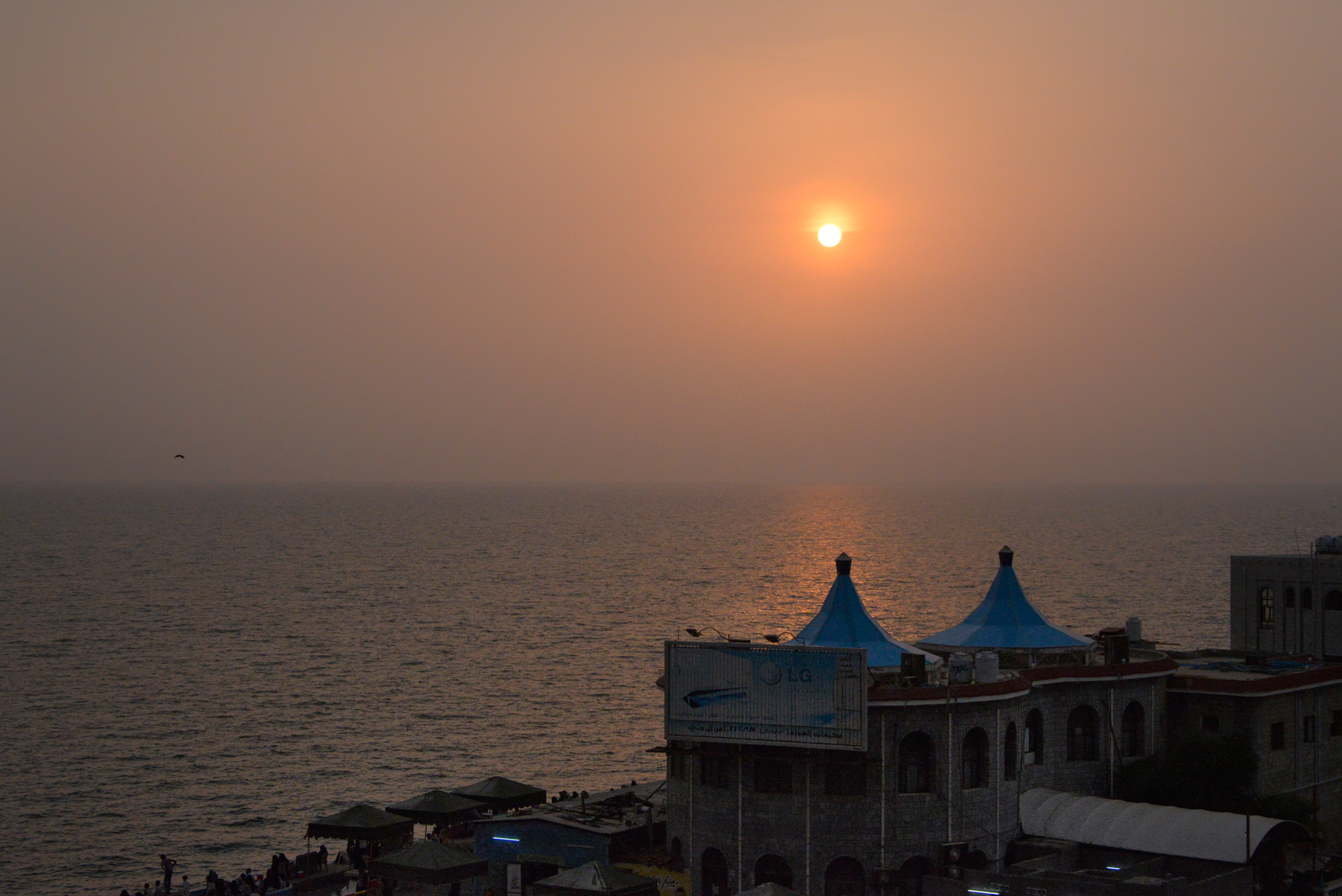
That is the week. Here is how it got here.
The runway
The truce was brokered by the United Nations in 2022 and held until this summer. Al Jazeera reported what ended it. On July 13, a Saudi-Yemeni government strike hit the runway at Sanaa airport to stop a flight carrying a Houthi delegation from landing. The Houthis struck back. By August 6, drone and rocket attacks on military sites in eastern Yemen had killed at least 30 government soldiers in a single day, the deadliest day of the escalation before this week.
Eighteen miles
The coast the Houthis are advancing along ends at Bab al-Mandab. The U.S. Energy Information Administration puts the strait at eighteen miles wide at its narrowest point. In the second quarter of this year, an average of 8.1 million barrels of crude oil and petroleum liquids passed through it every day, according to Rigzone citing EIA figures. Read those two numbers next to each other.
What comes next
Rashad al-Alimi, who chairs Yemen's Presidential Leadership Council, has said the government will not accept a truce that reproduces the failures of the last one.
Eighteen miles wide, eight million barrels a day, and a ground war moving toward it.
By the numbers
- 120 — combatants killed since Thursday, including 39 government forces and at least 42 Houthi fighters[1]
- 13 — government-aligned forces killed on the Mocha-Taiz front line in the Maqbana mountains, September 3[2]
- 30 — government soldiers killed in Houthi drone and rocket attacks on August 6, the deadliest single day of the post-truce escalation before this week[3]
- 8.1 million — barrels a day of crude oil and petroleum liquids transiting Bab al-Mandab in the second quarter of 2026[4]
- 18 miles — the width of the Bab al-Mandab strait at its narrowest point[5]
The reporting
This story is built on reporting by Arab News. Read the original →
Sources
- Arab News, More than 120 killed in Yemen clashes since Thursday
- Al-Monitor, Houthi escalation in western Yemen kills 13 government forces
- Al Jazeera, Yemen govt says its forces attacked Sanaa airport
- Al Jazeera, Will all-out war in Yemen reignite as Houthis escalate attacks
- Rigzone, How much oil transited through the world's chokepoints in 2Q
- U.S. Energy Information Administration, The Bab el-Mandeb Strait
Image credits
- Hero: source (U.S. Central Command, public domain) — Patrick Casey
- Coast: source (Wikimedia Commons, CC BY-SA 2.0) — Rod Waddington
- Map: source (Natural Earth geometry, public domain) — The Brief