The UAE says it is hacked 800,000 times a day, so it built its own AI to fight back
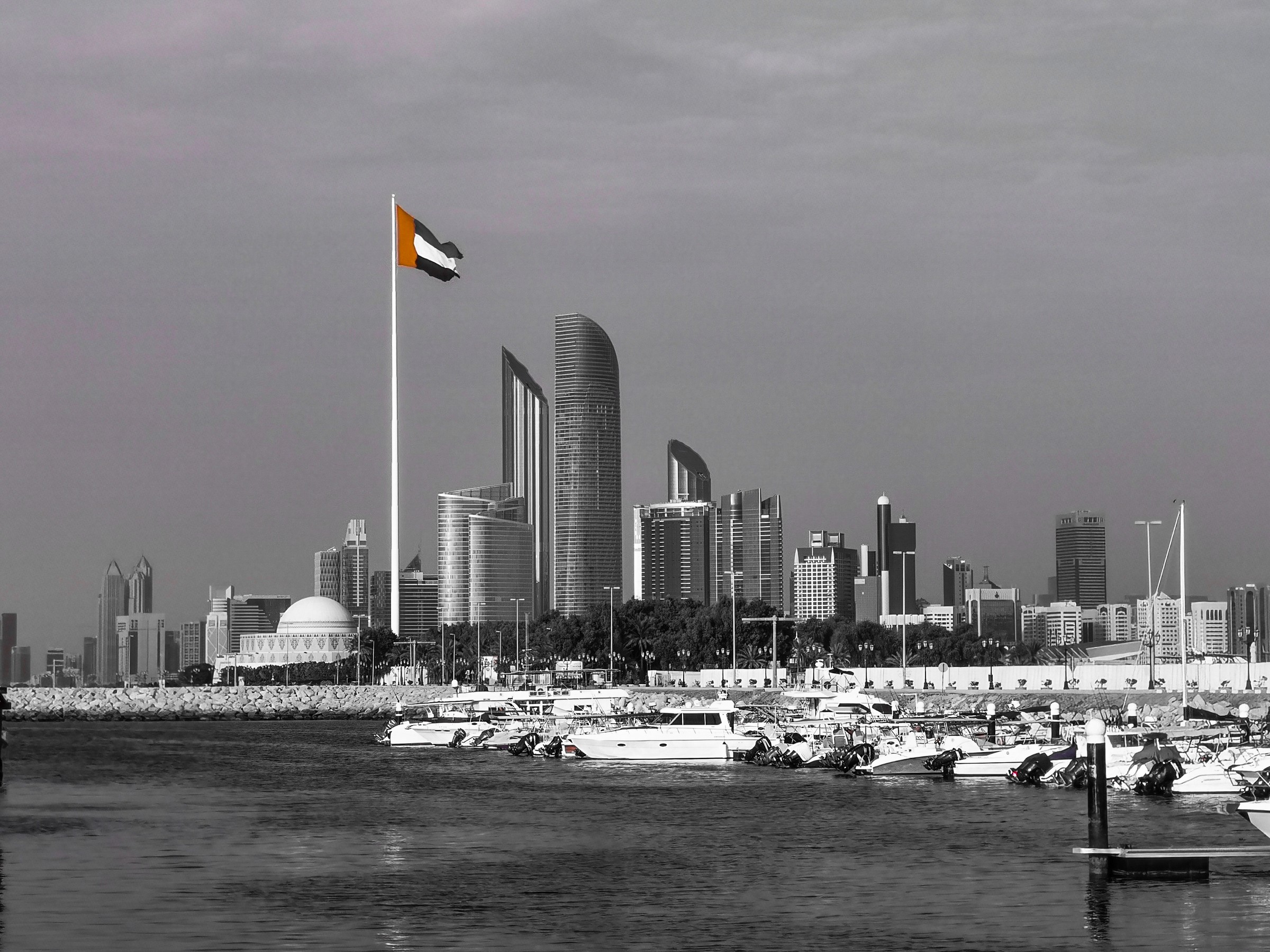
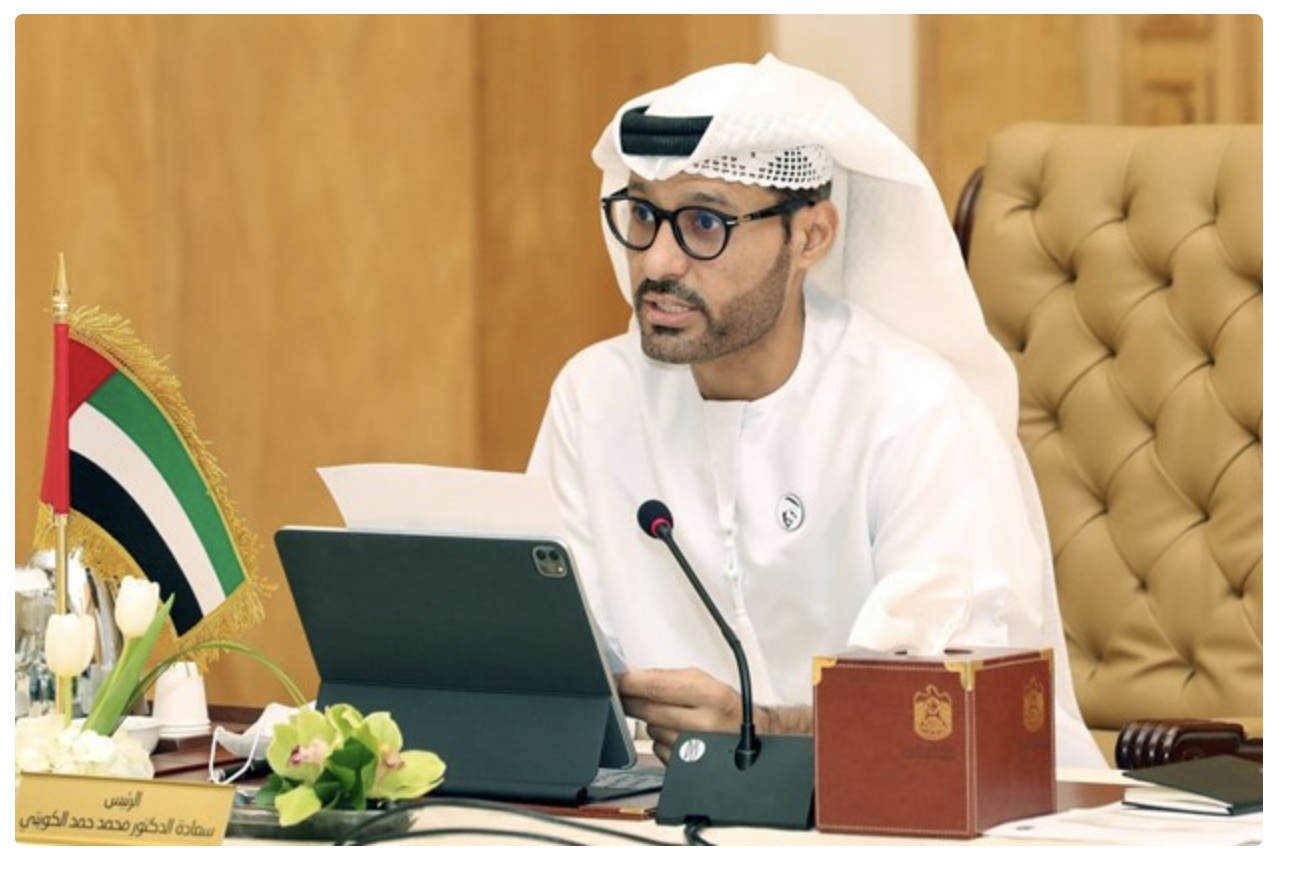
Since the war with Iran began in February, the UAE Cyber Security Council says attempted hacks on the country have roughly quadrupled, from about 200,000 a day to about 800,000. That number comes from the Council and from its head, Dr Mohamed Al Kuwaiti. It is worth saying plainly that it is a government's count of attacks on itself, repeated since by Gulf News, Computer Weekly, Economy Middle East and The National, all citing the same source. It is also a daily figure, so it moves.
Al Kuwaiti's own numbers have moved too. Around April he was citing roughly 600,000 a day. The larger figure came later. We are giving you both because the gap is part of the story.
What is not in dispute is that something changed on 28 February. Check Point Research documented Iranian-linked crews probing internet-connected cameras across the UAE, Qatar, Kuwait and Bahrain, along with Israel, Lebanon and Cyprus. The researchers' assessment of why is the part that stops you: to correct missile fire, and to judge the damage after it landed. Not to steal anything. To watch.
The Mr. Robot version of a hack is a person in a hoodie doing something clever at three in the morning. The 2026 version is quieter and worse. Ram Narayanan of Check Point told Rest of World that the same AI now drafts the phishing email and hunts for the software flaw, two jobs that used to need two specialists and days between them. A hole that took days to open now opens in hours.
In August it came at scale. Rest of World, citing the Council, reports a coordinated wave traced back to more than twenty countries, aimed at aviation, energy and education. The National reported on 10 August that the attacks were detected and contained, and put the number of organizations targeted at more than forty. The 20-countries figure comes from the Council alone; The National's account confirms the attack and the response but does not carry that count.
The UAE's answer is a thing called the Cyber Factory. The Cyber Security Council and CPX Holding launched it on 12 May 2026, under Al Kuwaiti, and its stated job is to design, build and scale the country's AI security tools domestically rather than import them. A small country that buys its defenses buys them at the vendor's pace. That is the argument, anyway, and August was its first public test.
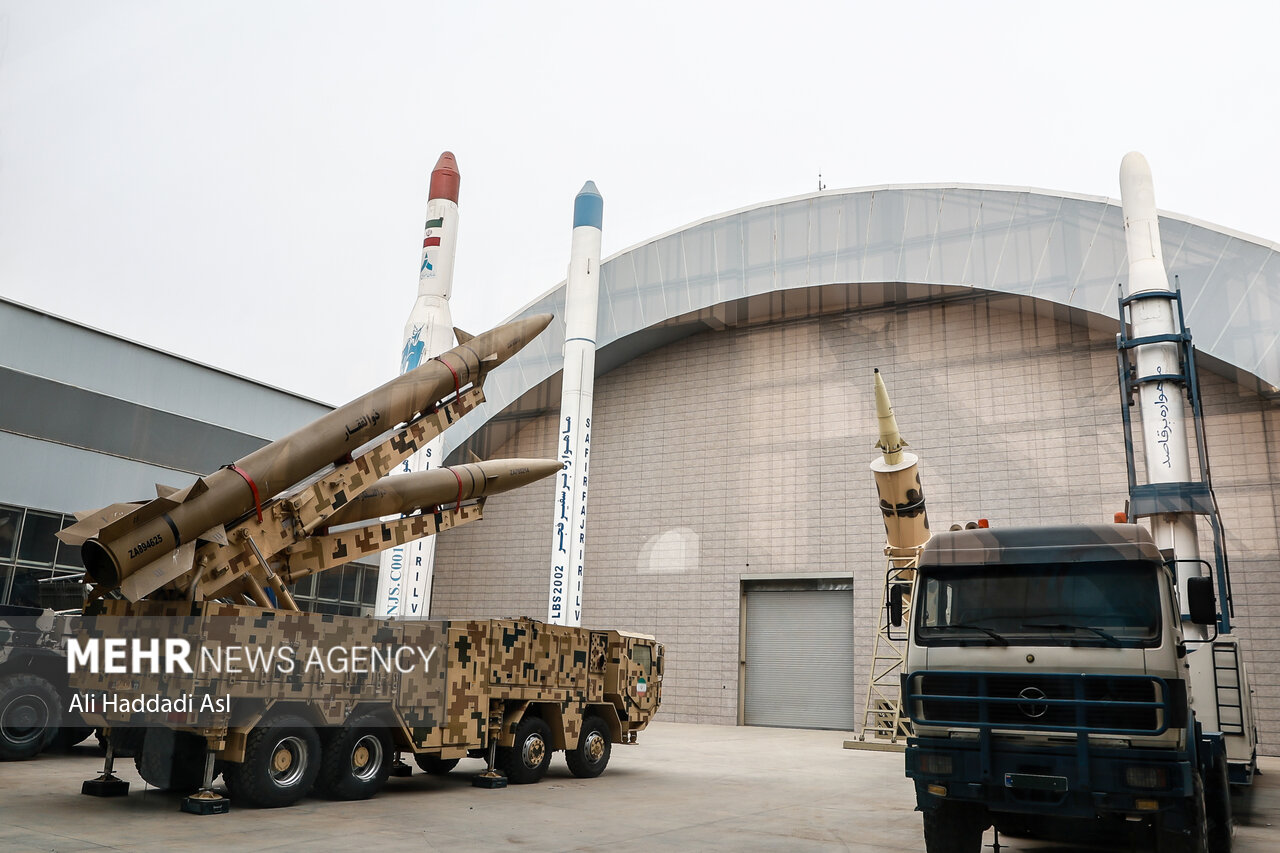
The Emirates are not the only target. On 18 August the U.S. Department of Justice charged seventeen Iranians, tied to the Islamic Revolutionary Guard Corps, over a mass cyber theft campaign. It is a superseding indictment, adding eight defendants to a 2018 case against nine, so it is not a new campaign so much as an older one that never stopped.
None of this ends with a verdict. Machines are attacking, machines are defending, and the side with the better machine sets the tempo. What the UAE is betting is that owning the machine matters more than buying the best one. Watch whether anyone else in the Gulf makes the same bet.
By the numbers
- 800k — attempted hacks a day, up from about 200,000 before the war[1]
- 28 Feb — the day the Gulf camera-probing campaign started[2]
- 20+ — countries the August wave on aviation, energy and education was traced to[3]
- 17 — Iranians charged in the U.S. on 18 August over a parallel campaign[4]
The reporting
This story is built on reporting by Rest of World. Read the original →
Sources
- Rest of World, The UAE is fighting AI hackers with AI of its own
- Check Point Research, Interplay between Iranian targeting of IP cameras and physical warfare in the Middle East
- The National, UAE Cyber Factory launched to boost nation's digital defence and sovereignty
- The National, UAE thwarts cyber attacks on aviation, energy and education sectors
- U.S. Department of Justice, 17 Iranians charged with conducting massive cyber theft campaign
Image credits
- Hero, Abu Dhabi skyline: source (CC BY-SA 4.0) — Clint Ian Pinto
- Dr Mohamed Al Kuwaiti: source (Used by permission of the publisher, credited) — via Cybersecurity Excellence Awards
- Server racks at NERSC: source (CC0) — Derrick Coetzee
- IRGC missile exhibition, Tehran: source (CC BY 4.0) — Ali Haddadi Asl / Mehr News Agency


.jpg)
Citations
- UAE Cyber Security Council, via Rest of World
- Check Point Research, 2026
- Rest of World, citing the UAE Cyber Security Council
- U.S. Department of Justice, 2026