Trump said Iran's military was destroyed. Twenty missiles hit an American air base in Jordan.
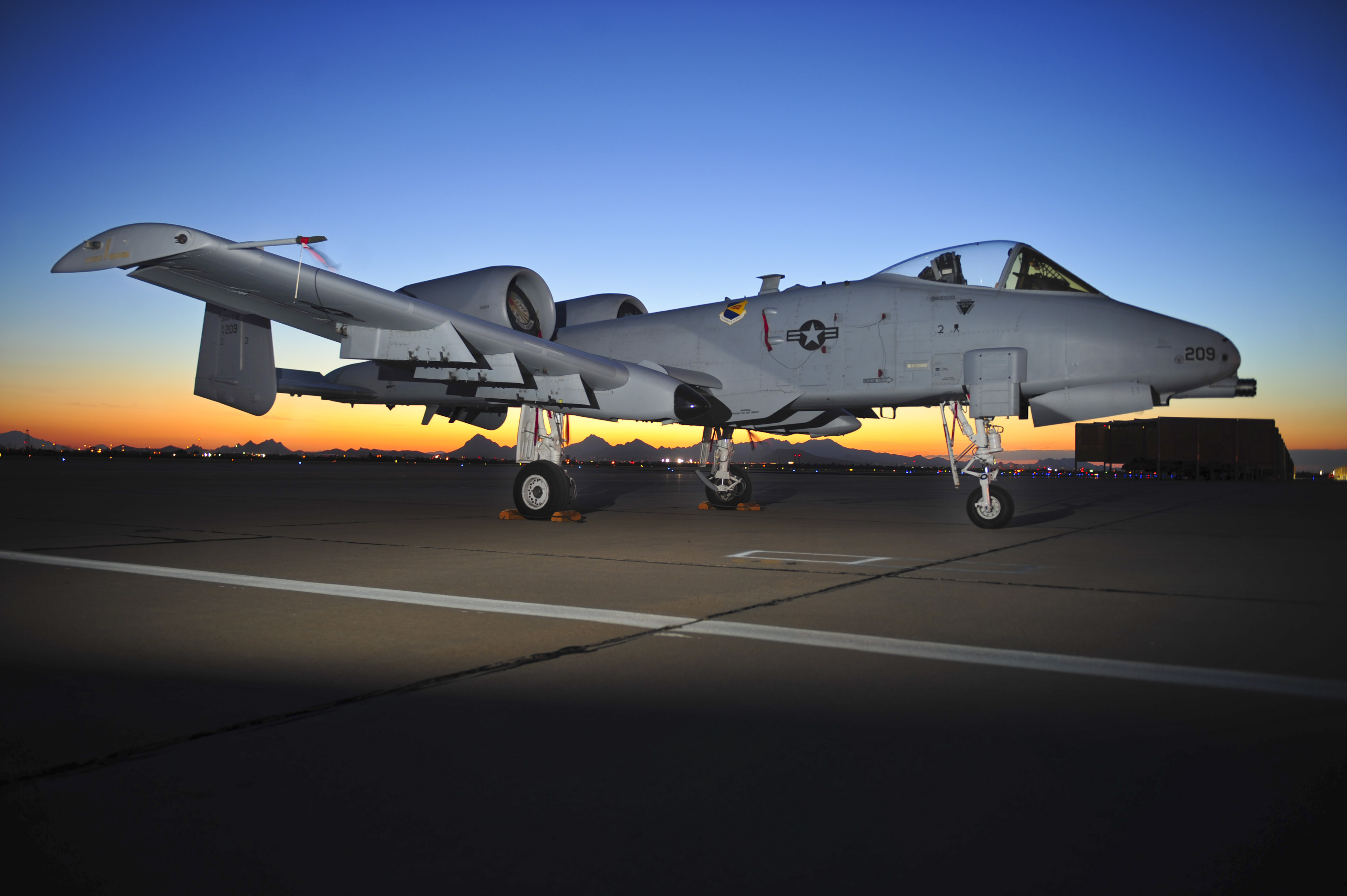
In April the President said Iran's military had been completely destroyed. On Tuesday night it fired twenty ballistic missiles at an American air base in Jordan.
The base is Muwaffaq Salti, at Azraq, about an hour east of Amman. Jordan's armed forces say they engaged twenty ballistic missiles and destroyed eighteen of them. The other two came down in open country, and nobody was hurt.
That is the part both sides agree on. The rest of the night is where the accounts separate.
Iran's Revolutionary Guard said the target was the ground crew's work rather than the runway: the facilities used for the maintenance, preparation and deployment of American F-35, F-16 and F-15 fighter jets, and the shelters the aircraft sit in. It described the strike as a response to American attacks on Iranian oil tankers.
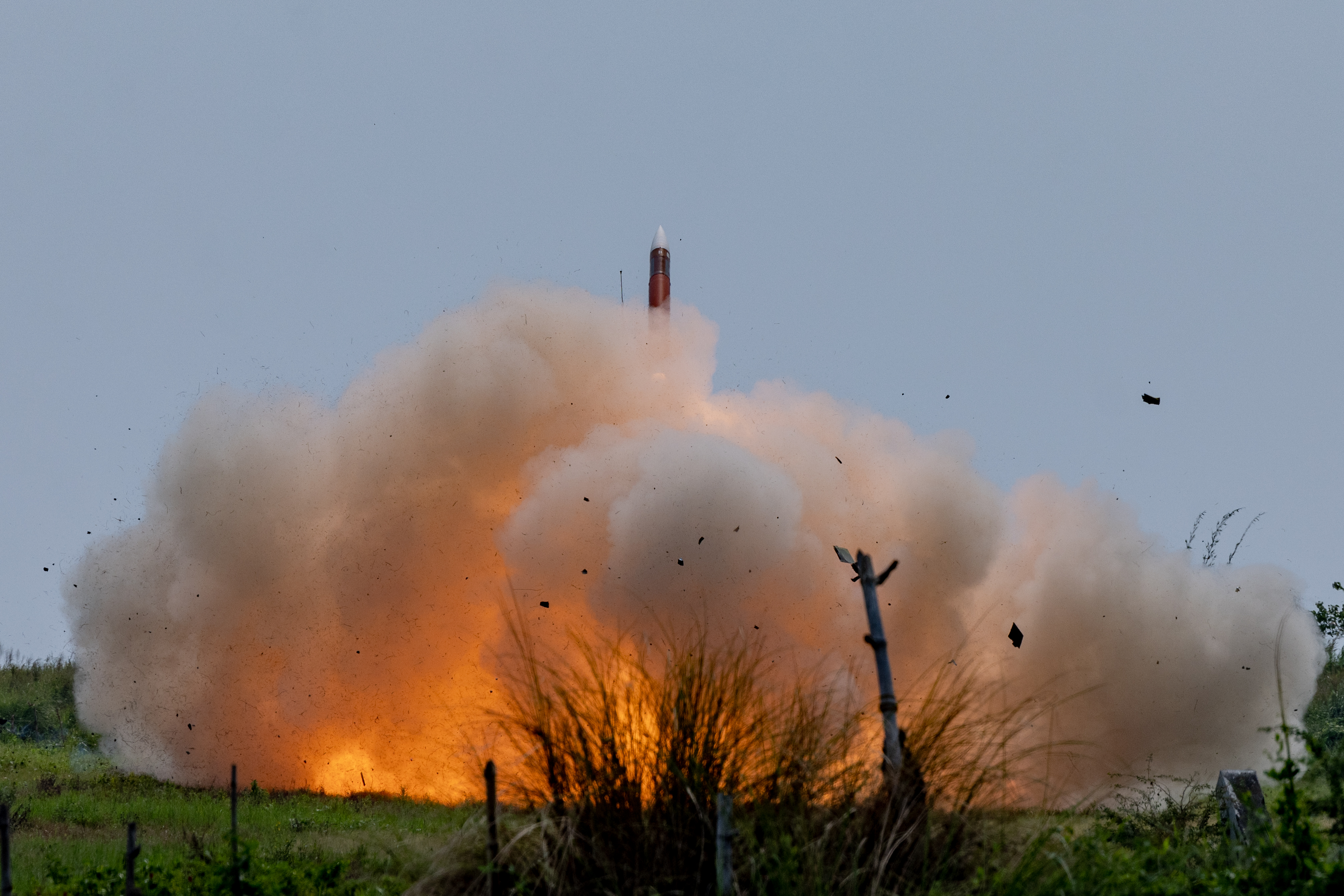
American and Jordanian Patriot batteries fired to stop them. The Aviationist puts the number above thirty. Open-source analysts quoted by Defence Security Asia put it between sixty and more than a hundred, most of them PAC-3 MSE rounds. Read that against twenty incoming.
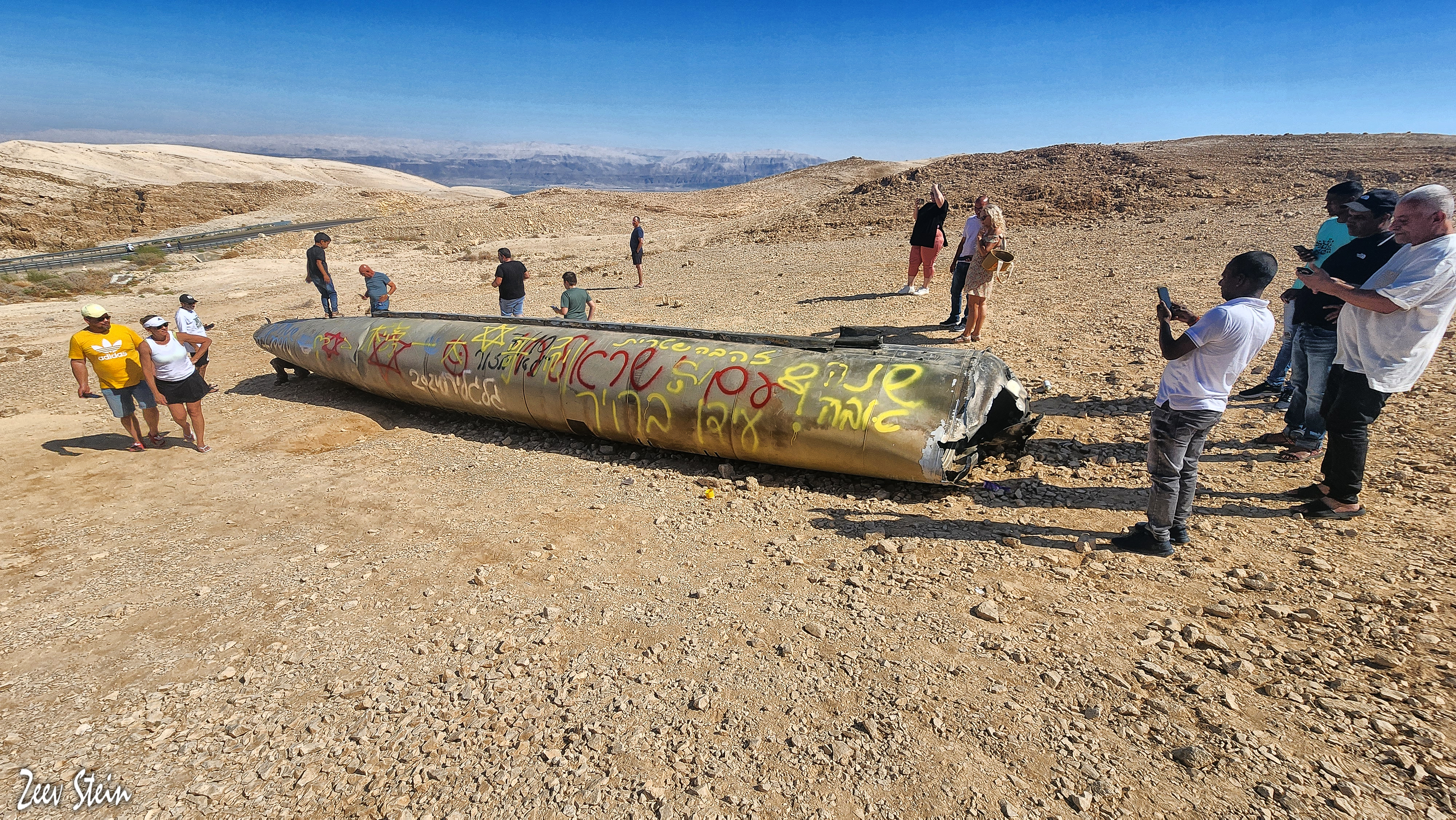
The missiles themselves are part of it. Reports identify possible Kheibar Shekan, Emad and cluster-equipped Ghadr variants, though Defence Security Asia notes that definitive attribution remains uncertain. The Kheibar Shekan, which Iran calls Castle Breaker, flies about nine hundred miles, carries a warhead of roughly a thousand pounds, and steers in the last stage of its flight, so that a firing solution calculated a minute earlier is no longer correct.
There is also the question of what some of them carried. Iranian reports say cluster-equipped missiles took part in the September attack. Defence Security Asia records those claims and states plainly that independent confirmation is not available.
What Iran's cluster warheads do is better established. TWZ reported in April that the Khorramshahr family releases its submunitions at around twenty-three thousand feet, above the altitude at which terminal defenses can engage, scattering them across an area ten to seventeen miles wide. A typical warhead holds twenty to thirty submunitions. The larger ones are said to carry up to eighty. Behnam Ben Taleblu of the Foundation for Defense of Democracies put it this way: "Iran has shown pictures in the past of triconic warheads equipped with at least four different sizes and types of bomblets."
Human Rights Watch published a report on March 29 titled "Iran: Unlawful Cluster Munition Strikes on Israel." It verified three incidents and identified eight more as likely, between March 1 and March 20.
Two missiles got through at Azraq. The Aviationist, citing CBS News, reports that an A-10 Thunderbolt was struck and left with a wing missing, and that roughly eight F-15E Strike Eagles took light damage and have since returned to service. United States Central Command has not published a damage assessment.
At sea the American account is unqualified. Iran's Revolutionary Guard said it hit the destroyers DDG-119 and DDG-53 and, in a later statement, two American vessels and eight tankers. Central Command's answer: no US Navy warship has been struck, and all IRGC attempted attacks failed.
The strike did not come out of nothing. On Tuesday American forces destroyed five Iranian oil tankers: the Kaviz, the Charminar, the Horizon 1 and the Riesco in the Gulf of Oman, and the Derya near Kharg Island. Three more had been hit on September 5. That is eight since the fifth.
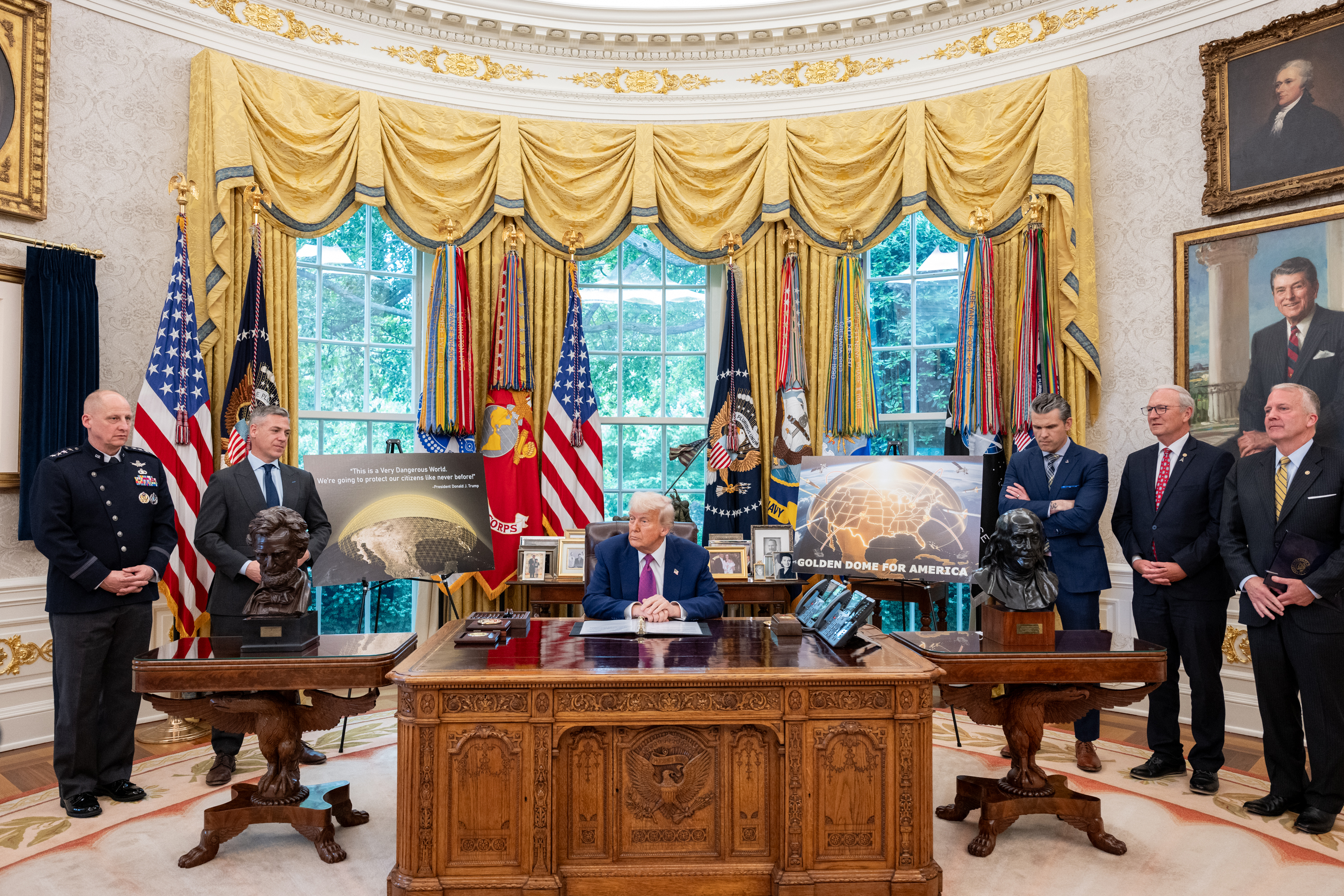
Which returns us to April. On the eleventh, on Truth Social, the President wrote that the United States "has completely destroyed Iran's military, including their entire navy and air force, and everything else." On the twelfth he told reporters their whole navy was underwater. In March, aboard Air Force One, he had put a number on it: forty-four ships, and every plane.
On May 31, on Fox News, he said something else. "We've actually left their military alone... we think that their military is somewhat moderate."
The two that got through took a wing off an A-10.
By the numbers
- 20 — Iranian ballistic missiles engaged by Jordan's armed forces at Muwaffaq Salti[1]
- 18 — intercepted and destroyed; two fell in open areas with no casualties[2]
- more than 30 — Patriot interceptors launched during the defensive effort[3]
- 60 to more than 100 — open-source estimate of Patriot interceptors expended, predominantly PAC-3 MSE[4]
- one A-10, about eight F-15Es — an A-10 Thunderbolt struck and left with a missing wing; roughly eight F-15E Strike Eagles lightly damaged and returned to service[5]
- 1,450 km — stated range of the Kheibar Shekan, with a 449 to 590 kg warhead[6]
- 20 to 80 — submunitions per Iranian cluster warhead, released at about 23,000 feet across an area 10 to 17 miles wide[7]
- five tankers — Kaviz, Charminar, Horizon 1 and Riesco in the Gulf of Oman and Derya near Kharg, destroyed by US forces; three more were struck on September 5[8]
The reporting
This story is built on reporting by Al Jazeera. Read the original →
Sources
- Al Jazeera, US strikes five Iranian oil tankers, as Iran attacks 10 ships, Jordan base
- Al Jazeera, What is Jordan's Al-Azraq base and why is Iran targeting it?
- The Aviationist, Iranian missile strike damages U.S. aircraft at Muwaffaq Salti Air Base
- Defence Security Asia, Iran missile barrage tests U.S. air-defence arsenal over Jordan
- TWZ, Iran is piercing Israel's ballistic missile defenses with high altitude cluster warhead releases
- IRGC statement via IRNA, US fighter jet facilities targeted in Jordan
- WION, What are Iran's Castle Breaker Kheibar Shekan ballistic missiles?
- ABC News Australia, Iran attacks US base in Jordan and ships near Strait of Hormuz after tankers sunk
- RBC-Ukraine, Trump says US completely destroyed Iran's military, navy and air force
- Mediaite, Trump now says the US has left Iran's military alone
Image credits
- Hero: source (Public domain) — U.S. Air Force photo by Senior Airman Cheyenne Powers
- Oval Office: source (Public domain) — Official White House photo by Joyce N. Boghosian
- Patriot: source (Public domain) — U.S. Marine Corps photo by Cpl. Tyler Andrews
- Missile remnants: source (CC BY 2.5) — Zeev Stein

.jpg)

