A judge ruled the deportation scheme unconstitutional. Nothing about it has stopped.
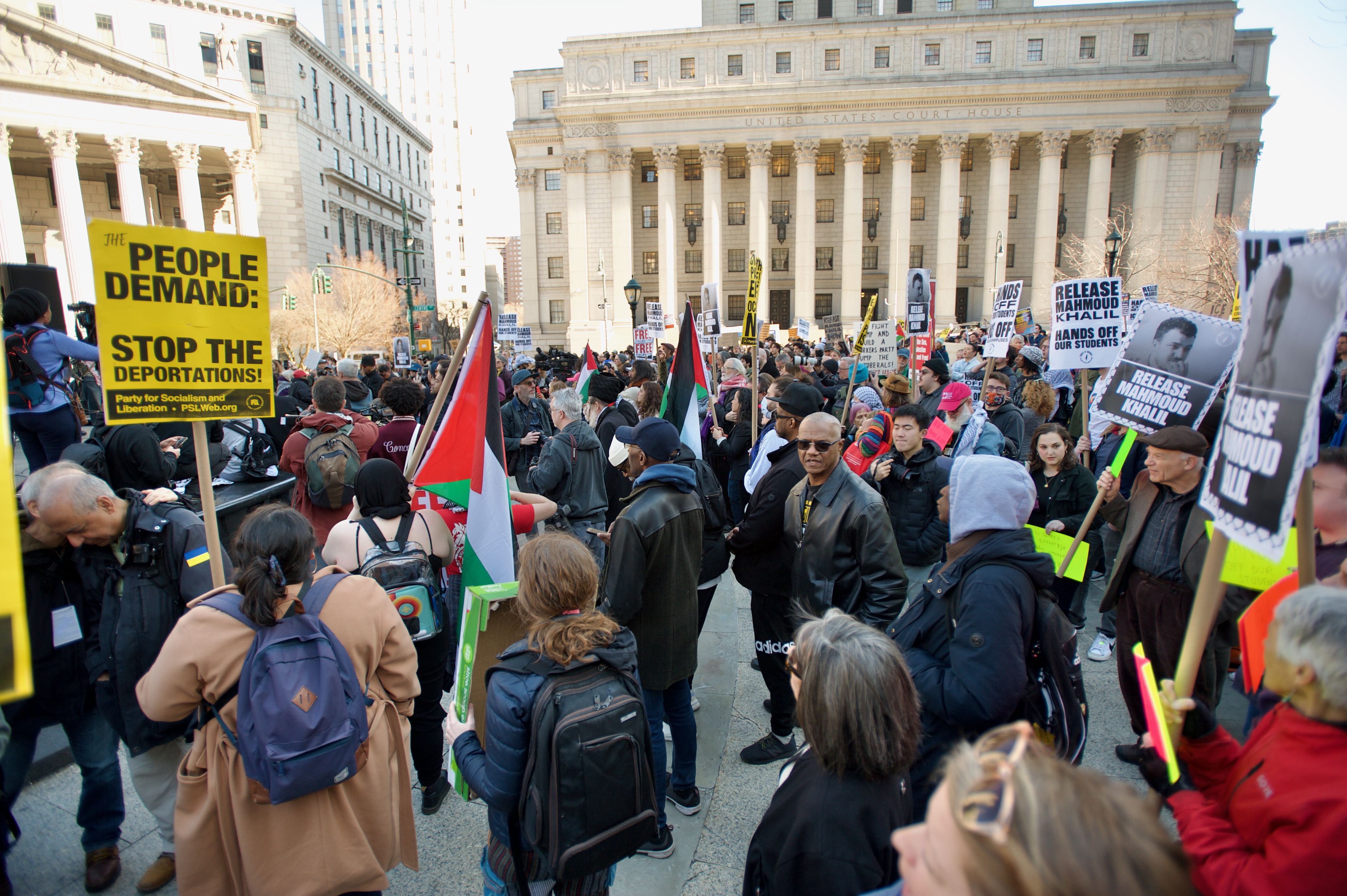
On August 28, a federal judge ruled that the government's scheme to deport international students over pro-Palestinian speech is unconstitutional. The order changes nothing on the ground.
The case is Stanford Daily Publishing Corporation v. Rubio, in the Northern District of California. Judge Noel Wise found for the Stanford Daily on six of its eight claims, and held that two provisions of the Immigration and Nationality Act violate the First Amendment as viewpoint-based and the Fifth Amendment as unconstitutionally vague. The Foundation for Individual Rights and Expression, which acted as counsel, and the Student Press Law Center both reported the outcome. Higher Ed Dive quoted the judge: "In the United States, freedom of speech belongs to the people. It is not the government's to take."
That is the ruling. Here is what produced it.
The order and the arrests
On January 29, 2025, the president signed an executive order titled Additional Measures to Combat Anti-Semitism, directing the deportation of international students over pro-Palestinian campus activity. The Foundation for Defense of Democracies reported the order and its intent at the time.
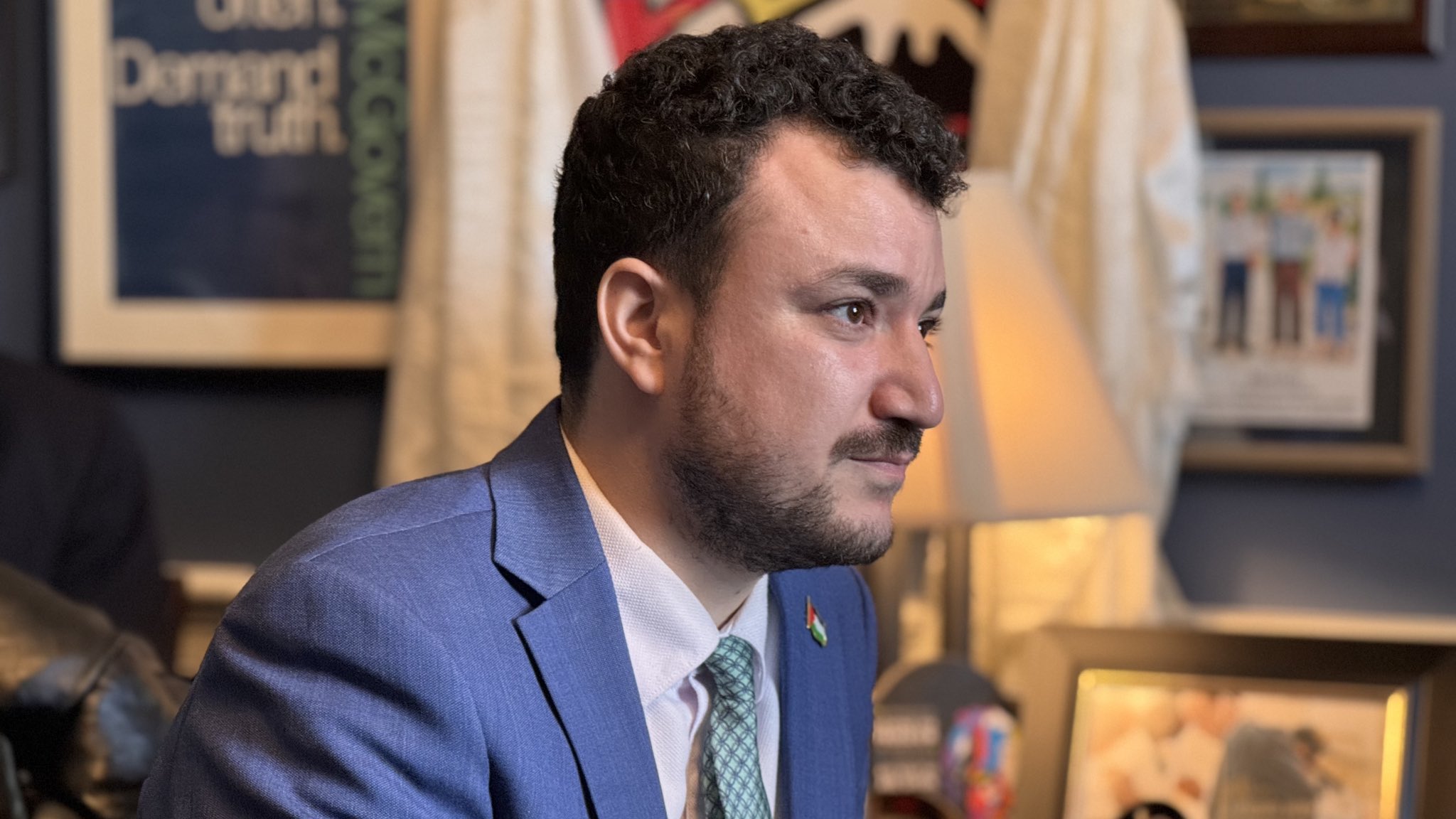
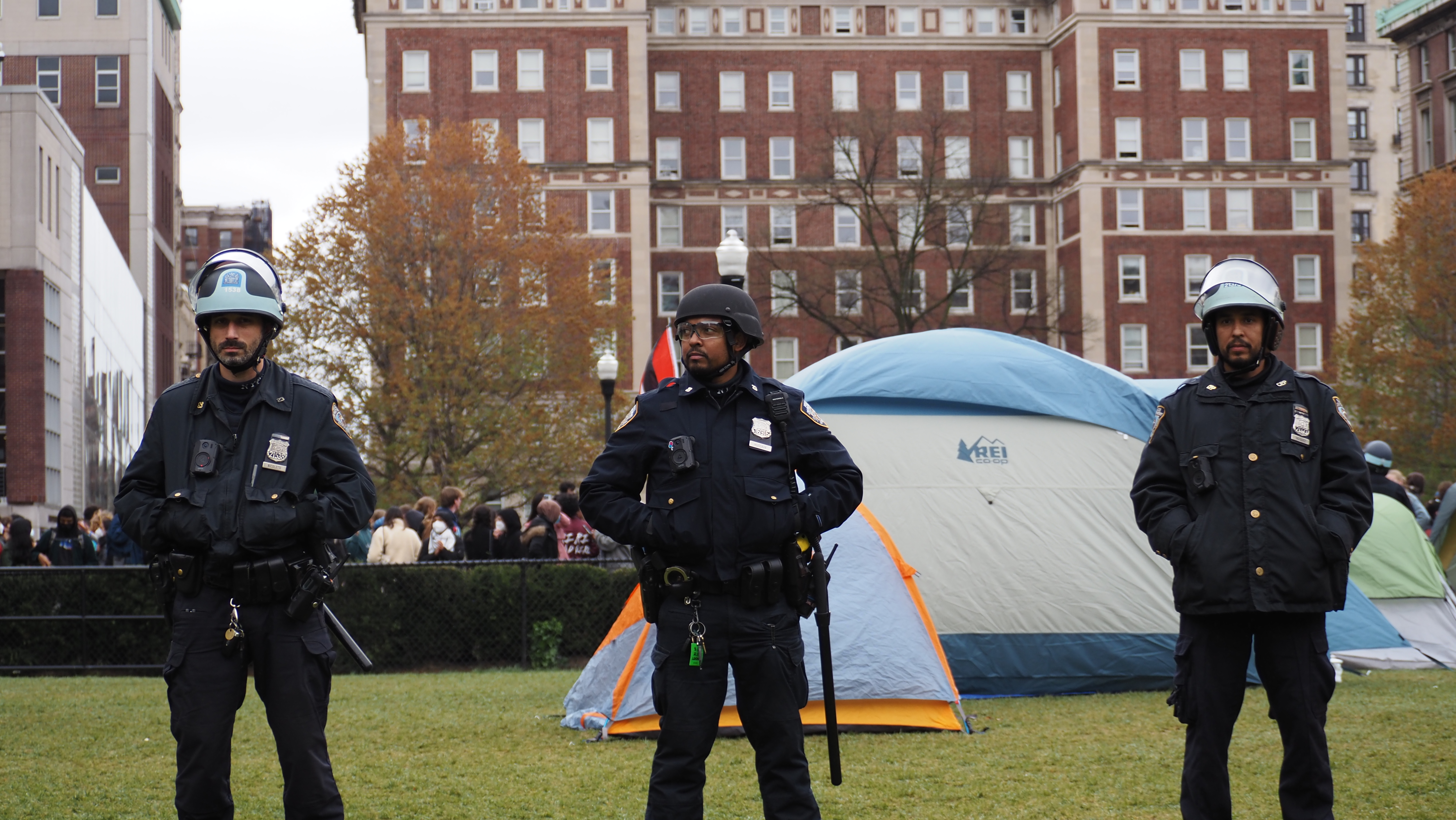
On March 8, federal agents arrested Mahmoud Khalil, a Columbia graduate and a lawful permanent resident, over his role in campus protests. NBC News reported the arrest. Weeks later, on March 25, agents detained Rumeysa Ozturk, a doctoral student at Tufts, on a street in a Boston suburb. Her visa had been revoked days earlier. The reason was an opinion piece she had co-written in the Tufts student paper. PBS NewsHour reported her detention and her release, on her own recognizance, on May 9.
What it did to a newsroom
This is the part that made a newspaper a plaintiff. Democracy Now reported that the Stanford Daily's own international writers, students on visas, stopped covering pro-Palestinian protests, pulled articles they had already published, or left the paper. Not because anyone told them to. Because of what happened to Khalil and Ozturk.
The plaintiffs were the paper and an anonymous international student filing as Jane Doe. Fifty-five student news organizations filed a supporting brief through the Student Press Law Center.
What the ruling does not do
It is a declaratory judgment. There is no injunction attached to it, which means no court order currently blocks the government from enforcing the provisions the judge found unconstitutional. An appeal to the Ninth Circuit is expected. The docket is public on CourtListener.
A court has now said the statutes are unconstitutional. The students whose bylines came down have not put them back.
By the numbers
- six of eight — claims the Stanford Daily won in Stanford Daily Publishing Corporation v. Rubio[1]
- two provisions — of the Immigration and Nationality Act found to violate the First Amendment as viewpoint-based and the Fifth Amendment as unconstitutionally vague[2]
- 55 — student news organizations filing a supporting amicus brief through the Student Press Law Center[3]
- no injunction — attached to the declaratory judgment, with an appeal to the Ninth Circuit expected[4]
The reporting
This story is built on reporting by Democracy Now. Read the original →
Sources
- Foundation for Individual Rights and Expression, Federal court rules the statutes unconstitutional
- Democracy Now, Stanford Daily lawsuit and student press freedom
- PBS NewsHour, Judge releases Tufts student Rumeysa Ozturk
- NBC News, Mahmoud Khalil, Columbia, and the deportation effort
- Higher Ed Dive, Judge rules deportation policies unconstitutional
- Student Press Law Center, Stanford Daily wins lawsuit
- CourtListener, Stanford Daily Publishing Corporation v. Rubio
- Foundation for Defense of Democracies, the January 2025 executive order
Image credits
- Hero: source (Wikimedia Commons, CC BY 4.0) — SWinxy
- Khalil: source (public domain) — Office of Rep. Jim McGovern
- Columbia: source (Wikimedia Commons, CC0) — Wm3214