Drylands are projected to reach 40 percent of the world's land by 2100. That is the improved forecast.
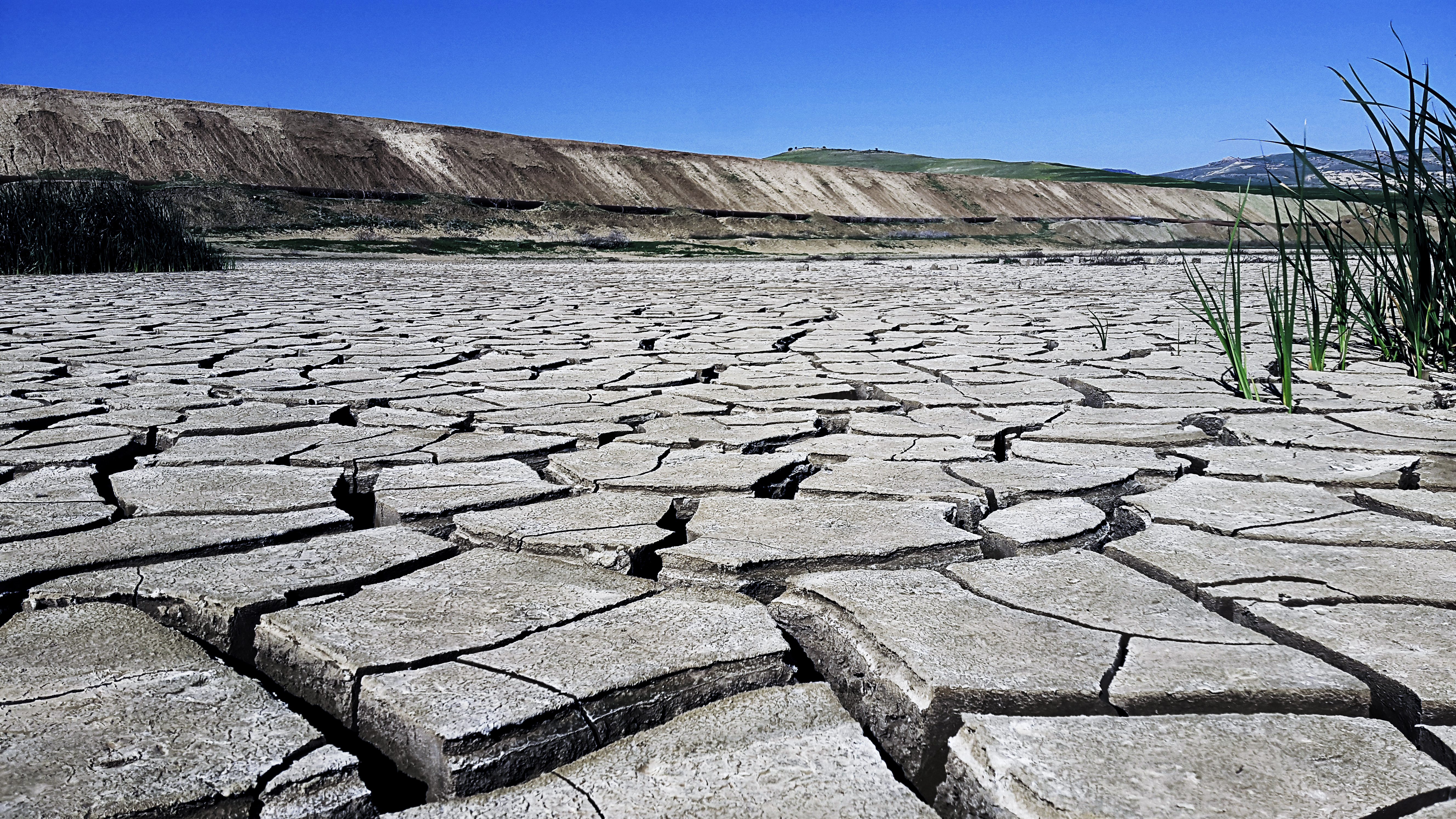
Drylands are the parts of the world where more water evaporates than falls as rain. A study published in Environmental Research Letters on September 1 projects that they will cover about 40.28 percent of the world's land by the end of this century.
They cover 38.58 percent now, measured across 1994 to 2023, not counting Antarctica.
Set out like that it sounds like a small move. Here is what makes it worth reading.
The team, led by researchers at the Chinese Academy of Forestry, puts the expansion at 2.37 million square kilometers against that baseline. ScienceAlert translates that as a land grab the size of Algeria, or about 30 percent of Australia.
That figure is the worst case in the study rather than its middle. The paper runs three emissions paths and projects 39.31, 39.68 and 40.28 percent of global land during 2071 to 2100 for the low, middle and high ones. The 40.28 is the high path.
Now the part that corrects what a reader expects from a climate projection. This forecast is lower than the ones before it.
The paper notes that earlier studies, built on the previous generation of climate models, projected drylands at 50 percent under a middle path and 56 percent under a high one. This study says 40.
The reason is plants. As carbon dioxide in the air rises, the pores on leaves close a little and plants lose less water. The study builds that response into how it calculates evaporative demand, and it is direct about the size of the difference: leaving the carbon dioxide effect out raises its own projection from 40.28 to 42.11 percent, and lifts the share of land classed as drying from 42.0 percent to 55.1 percent.
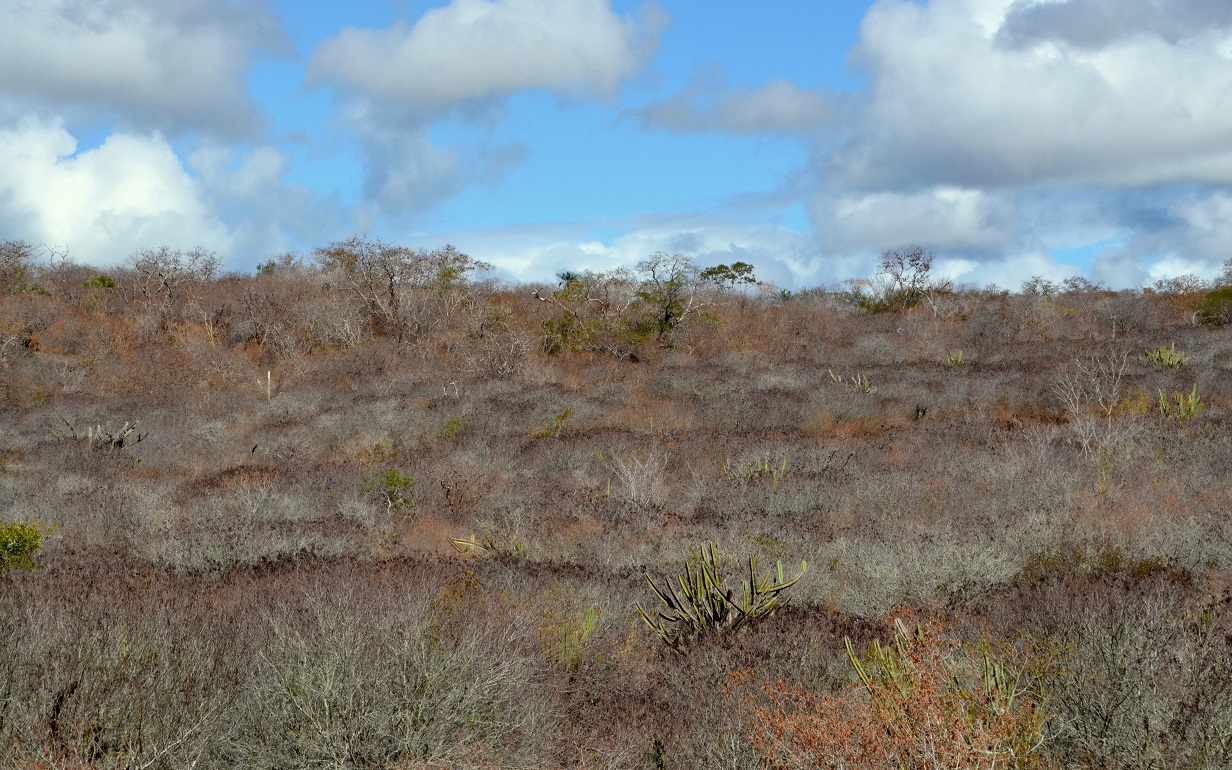
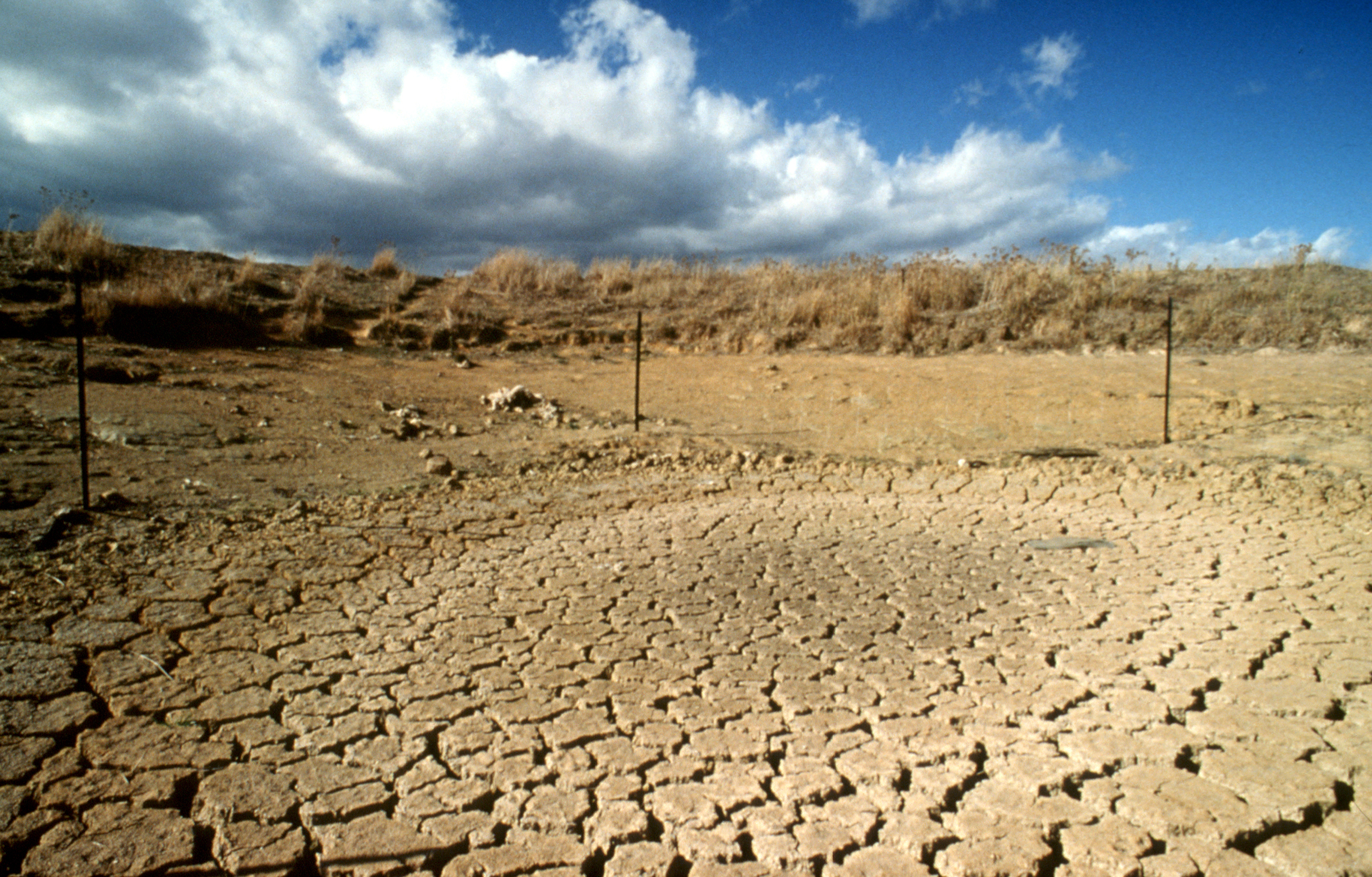
So the drying is slower than the last generation of models said, and it is still drying. The paper projects Australia, Brazil and northern Africa to remain or emerge as persistent drying hotspots. Parts of northwestern China are projected to get wetter.
A better forecast is not a good one.
By the numbers
- 38.58 percent — share of global terrestrial area covered by drylands, 1994 to 2023 baseline[1]
- 40.28 percent — projected dryland share of global terrestrial area during 2071 to 2100 under the high emissions path (SSP585)[2]
- 39.31 and 39.68 percent — projected dryland share for the low and middle emissions paths (SSP126, SSP245) during 2071 to 2100[3]
- 2.37 million square kilometers — dryland expansion under the high emissions path relative to the 1994 to 2023 baseline[4]
- the size of Algeria — comparison for the 2.37 million square kilometer expansion, or about 30 percent of Australia[5]
- 50 and 56 percent — dryland projections from earlier CMIP5-based studies under RCP4.5 and RCP8.5[6]
- 42.11 percent — the study's own projection when the CO2 effect on evapotranspiration is left out, versus 40.28 percent with it[7]
- 42.0 to 55.1 percent — share of land classed as a drying hotspot with and without the CO2 effect included[8]
- Australia, Brazil, northern Africa — regions projected to remain or emerge as persistent drying hotspots[9]
The reporting
This story is built on reporting by Environmental Research Letters. Read the original →
Sources
- Cai et al., CO2-altered evapotranspiration moderates future global dryland expansion under climate change, Environmental Research Letters
- ScienceAlert, Over 40% of Earth could become drylands by 2100, scientists warn
Image credits
- Hero: source (CC BY-SA 4.0) — Hydrosami
- Brazil: source (CC BY-SA 2.0) — A. Duarte
- Australia: source (CC BY 3.0) — CSIRO (Plant Industry)

.jpg)
