A Nord Stream Pipeline Bombing Suspect Was Arrested On The Set Of A Film About The Nord Stream Bombing
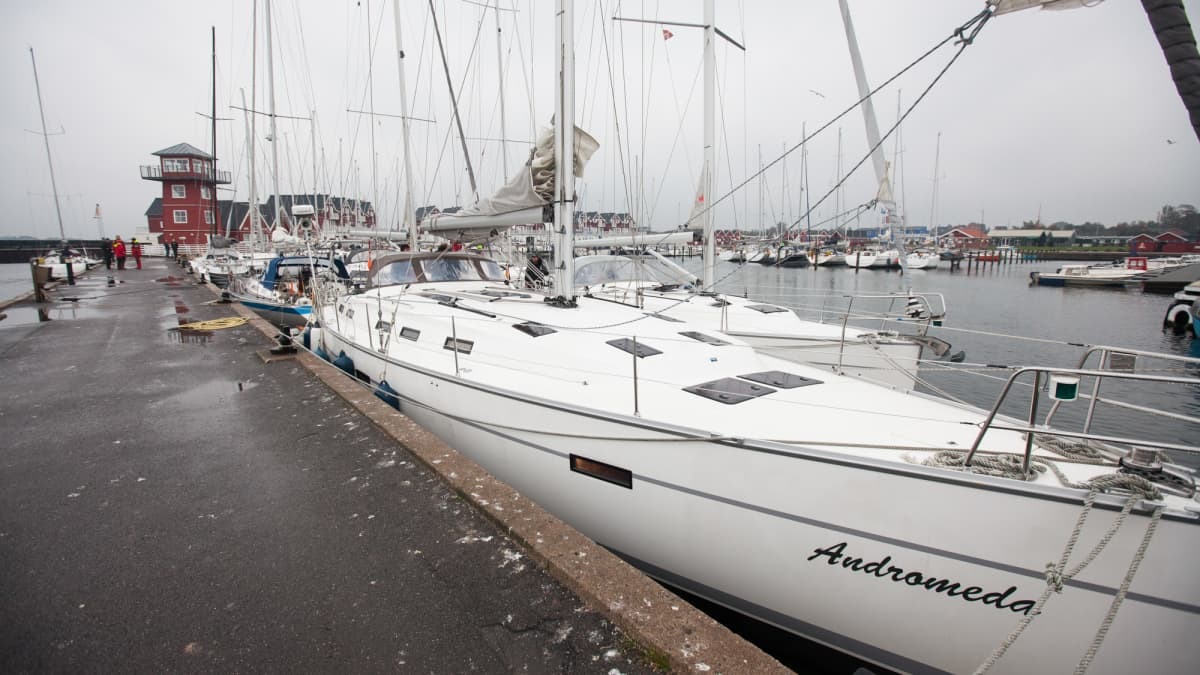
On Wednesday 19 August, Croatian police detained a Ukrainian man in the Adriatic port of Pula and brought him before the County Court there the following morning.12 His name is Volodymyr Zhuravlev. He is a professional diver and diving instructor from Kyiv, and German federal prosecutors, who refer to him under privacy rules as Vladimir Z, say he was one of the divers who placed the explosives that destroyed the Nord Stream pipelines in September 2022.2 A European arrest warrant issued by Germany in 2024 accuses him of jointly causing an explosion, anti-constitutional sabotage, and destroying structures.3
He was arrested on a film set. The production is Snake Island, a thriller directed by Doug Liman and starring Sean Penn and Adrien Brody, shooting in Zagreb and on the coast at Pula.4 Its subject is the Nord Stream bombing. German media reported that Zhuravlev had been acting as a consultant on it.1 He denies any role in the sabotage.2
What prosecutors say happened
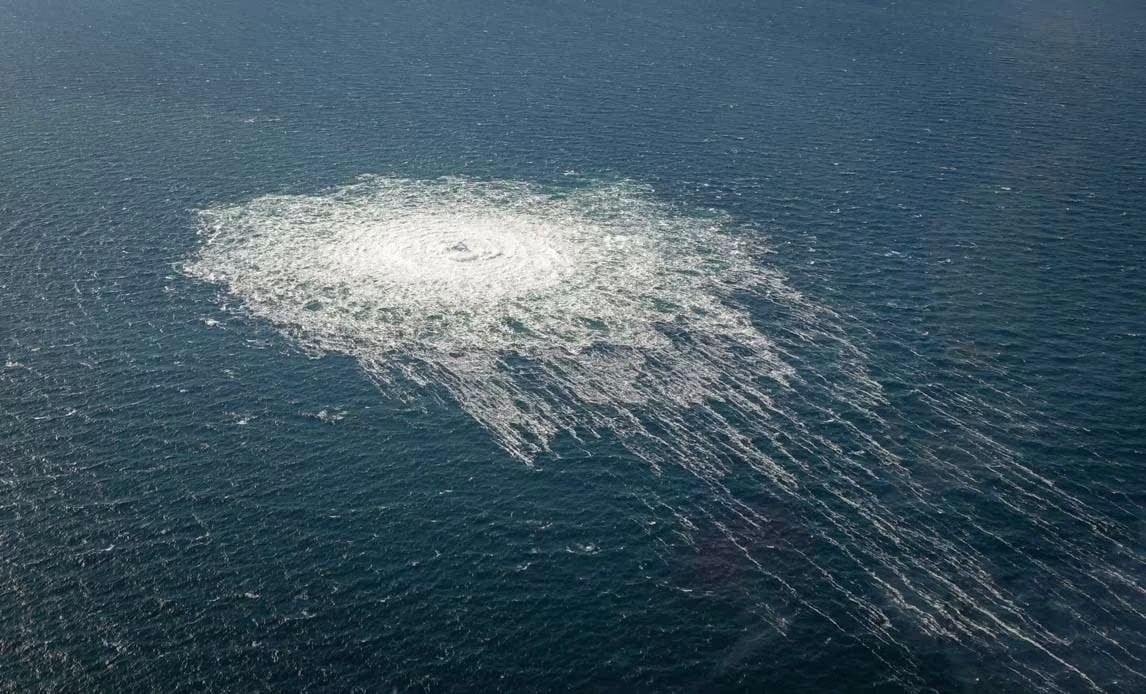
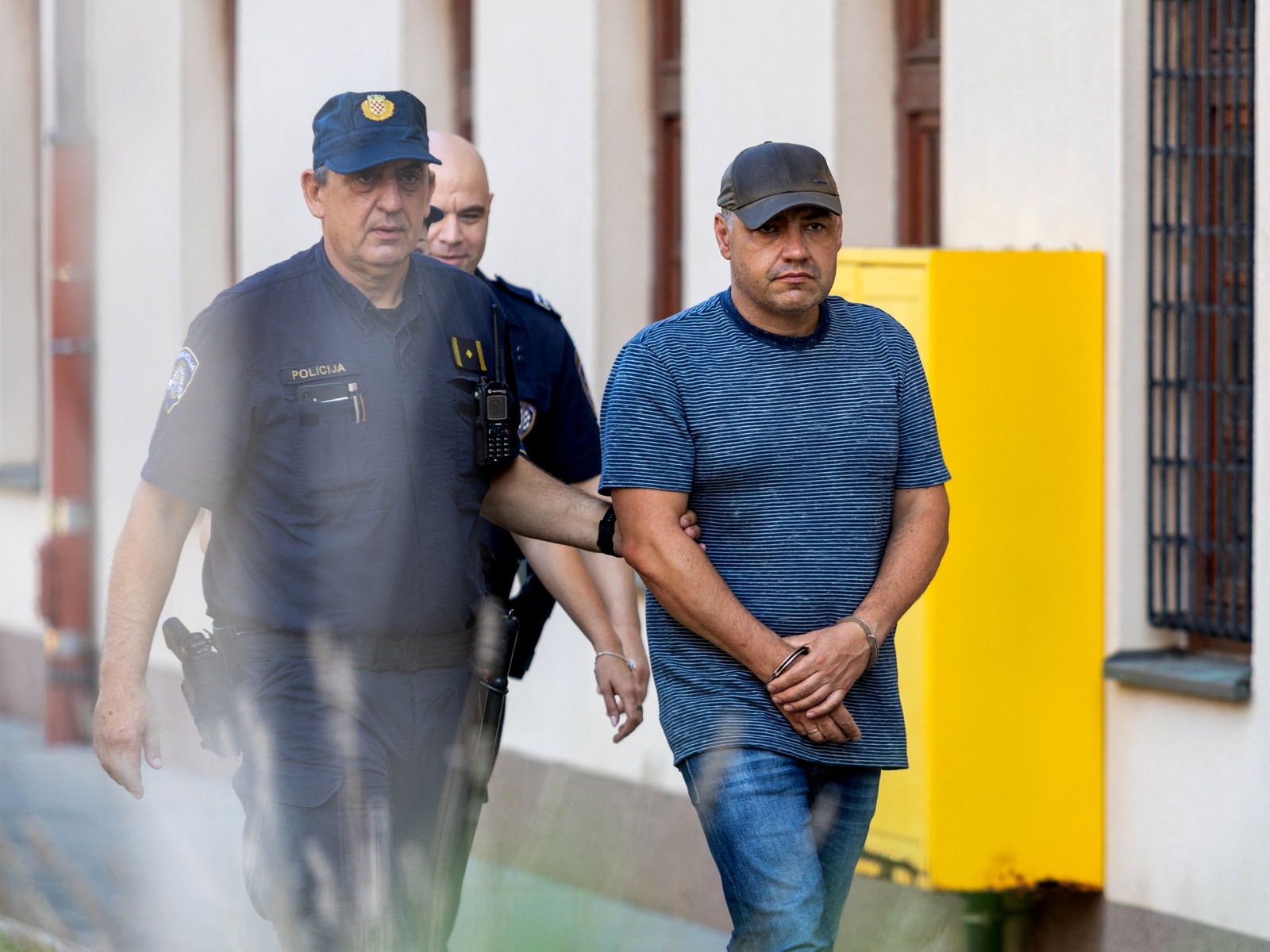
The German case describes a six-person team that chartered a 15.4-metre sailing yacht, the Andromeda, out of Rostock and sailed on 6 September 2022 on forged passports.5 Four explosions followed on 26 September, rupturing three of the four pipeline strings between 25 and 85 kilometres off the Danish island of Bornholm.5 Both Nord Stream 1 pipes and one of the two Nord Stream 2 pipes have been inoperable ever since.
A second man is already in German custody. Serhii K, whom prosecutors describe as the on-board coordinator and team leader rather than a diver, was arrested in Italy in August 2025, extradited in November, and charged on 2 July 2026 with attacking civilian energy infrastructure, causing an explosion and destroying structures.6 He denies involvement, saying he was serving with Ukrainian forces inside Ukraine at the time, and his defence argues that would give him functional immunity under international law.6
Germany has asked for this man before
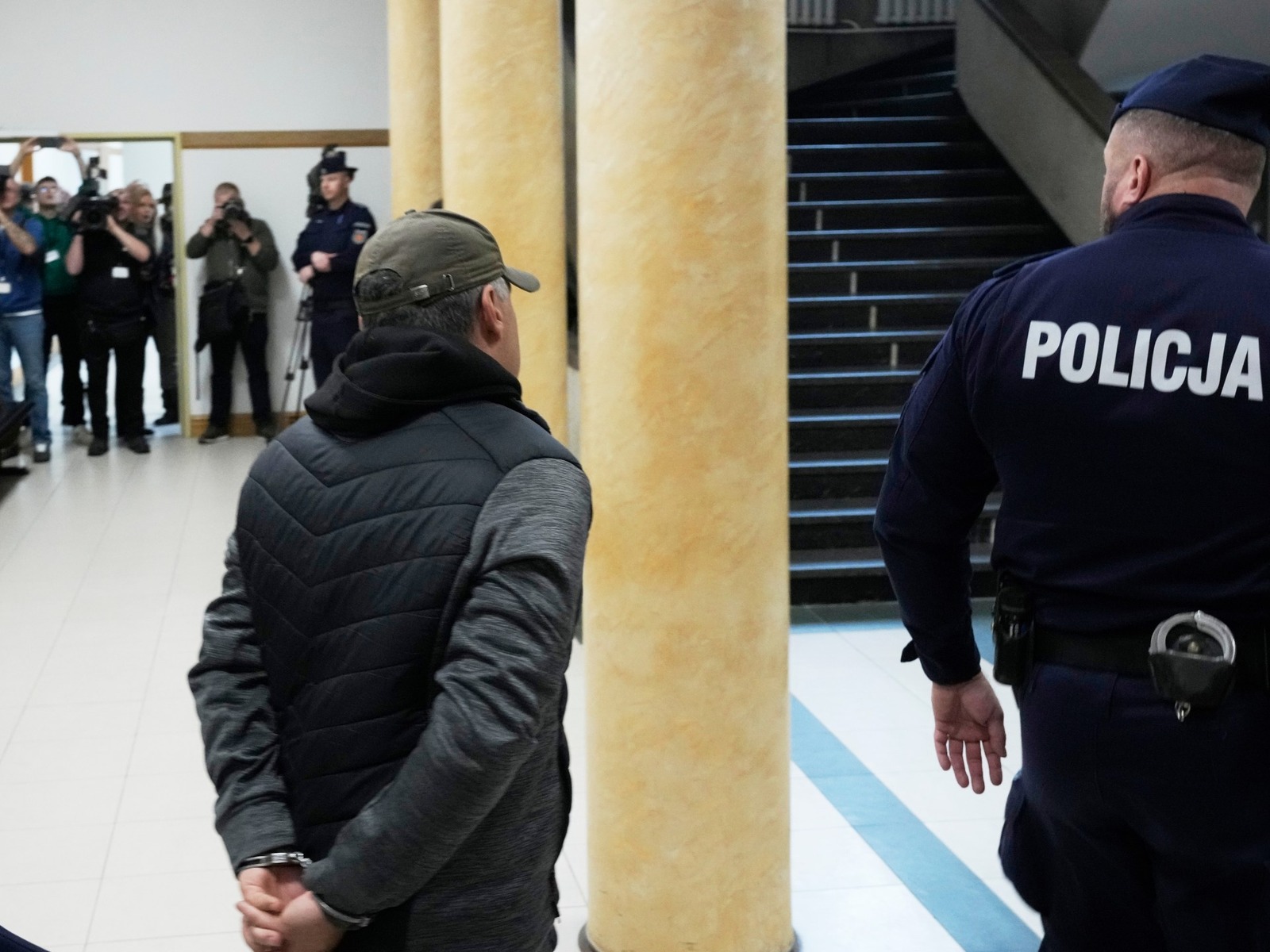
This is the second time Berlin has tried to get Zhuravlev into a German courtroom. In 2024 he evaded arrest in Poland and returned to Ukraine.2 In October 2025 a Warsaw court refused to enforce the German warrant outright, ruling that German authorities lacked jurisdiction and questioning whether destroying the pipelines amounted to a crime at all.7 Judge Dariusz Lubowski put it plainly: blowing up critical infrastructure during a just, defensive war is not sabotage.7 Zhuravlev walked out of the building.
His Polish lawyer has said he will fight extradition in Croatia on the ground that a Croatian court would be re-deciding a question already answered inside the same European legal space.2
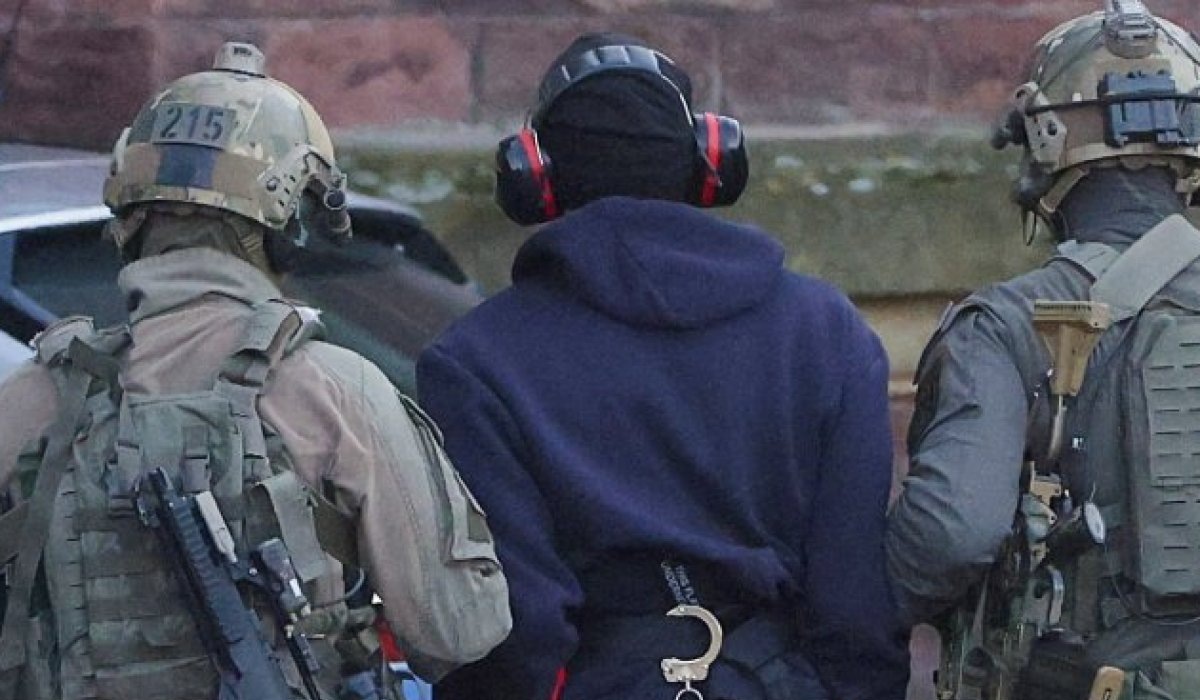
That is what is actually at stake here, underneath the coincidence that made the story travel. One suspect is in a German cell awaiting trial. A Croatian judge will decide whether he gets company — and in doing so, whether an EU member state is willing to treat the Nord Stream attack as a crime when another has already declined to.
Photographs
- Gas boiling to the surface above Nord Stream 2 off Bornholm, 27 September 2022 — Danish Defence Command / Forsvaret, via Reuters
- Croatian police escort Volodymyr Zhuravlev to the County Court in Pula, 20 August 2026 — AFP
- The Andromeda under charter, 2015 — YACHT / B. Scheurer
- Zhuravlev leaves a Warsaw court, 17 October 2025 — Czarek Sokolowski / AP
- Serhii K escorted before a hearing with the German federal prosecutor, Karlsruhe, November 2025 — Thilo Schmuelgen / Reuters
Citations
- The Guardian, 21 Aug 2026
- Nord Stream bombing suspect to Hollywood fixer: Who is Volodymyr Zhuravlev?, Al Jazeera, 21 Aug 2026
- Euromaidan Press, 20 Aug 2026
- Adrien Brody and Sean Penn filming Snake Island in Zagreb, Croatia Week, 10 Aug 2026
- German federal prosecutors, via AP and Al Jazeera; Nord Stream sabotage investigation record
- German prosecutors charge Ukrainian suspect over Nord Stream explosions, Al Jazeera, 2 Jul 2026
- Polish court refuses to extradite Ukrainian Nord Stream sabotage suspect to Germany, Notes from Poland, 17 Oct 2025