A glacier came off a mountain in Nepal. The count is still climbing.
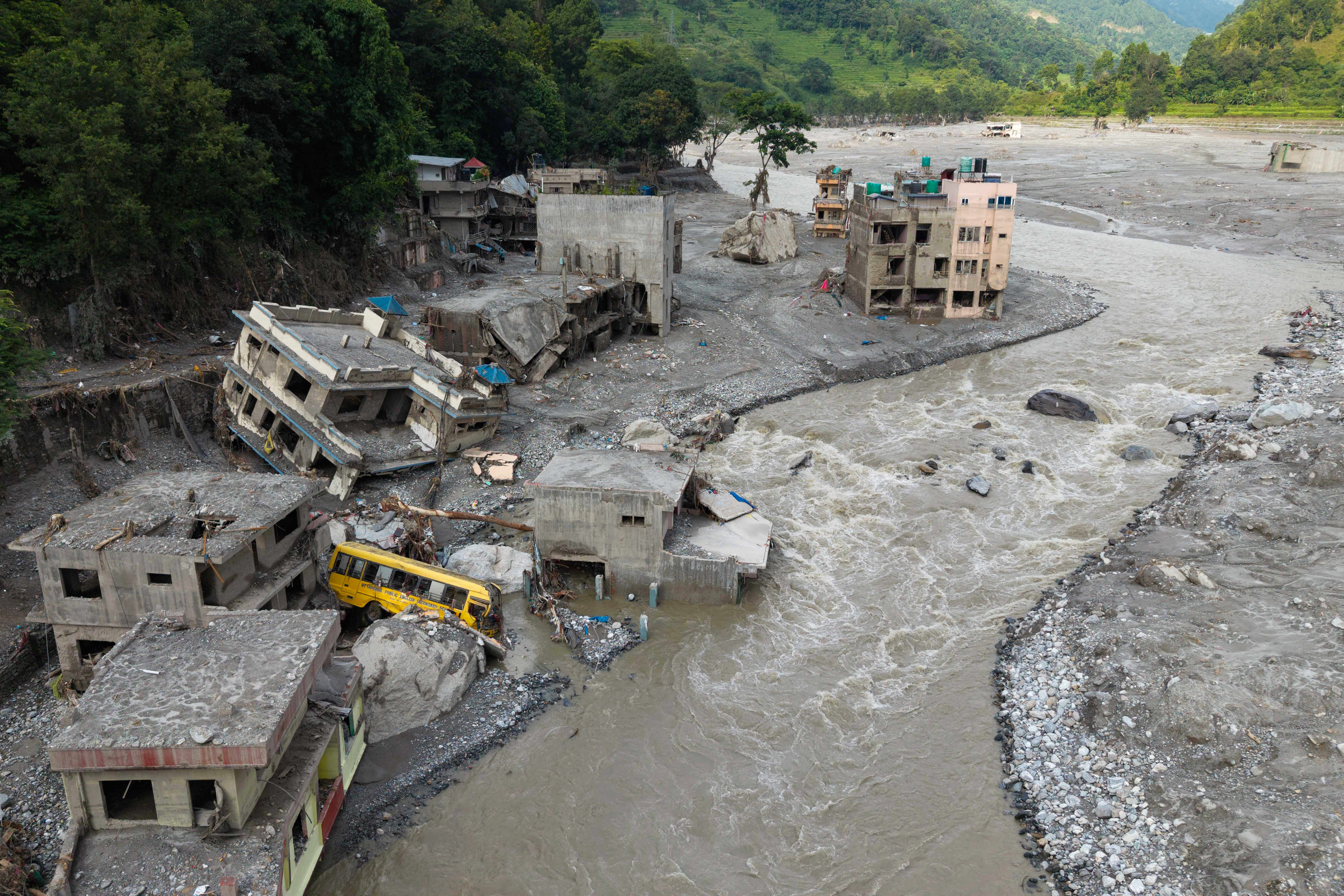
A glacier came off a mountain in Nepal on August 26. Six days later the count of the dead and the missing is still climbing.
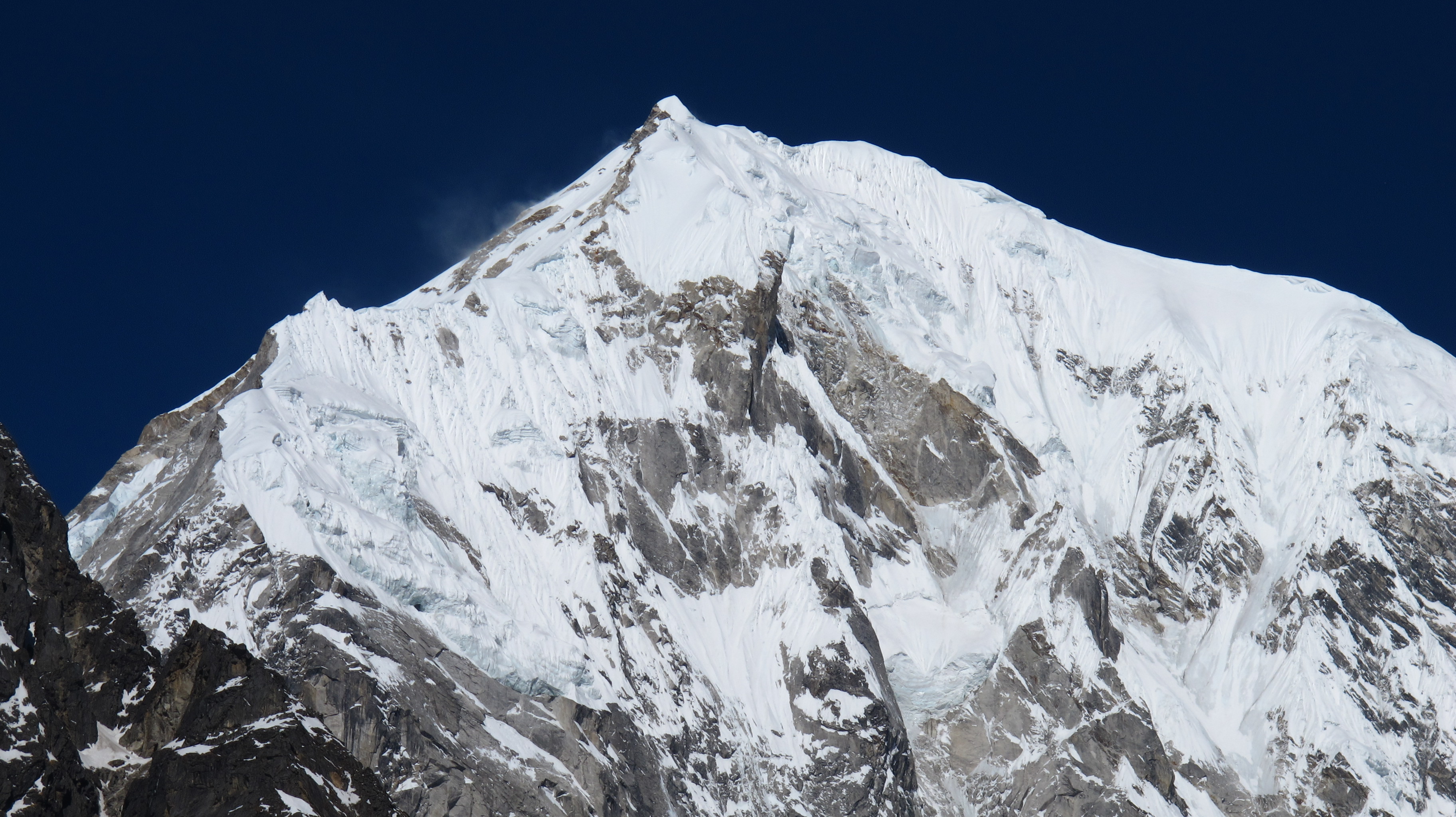
The collapse happened on the north face of Langtang Lirung. The ice fell roughly 3,900 feet and struck the Lende and Trishuli river system, according to EarthSky, which reported that scientists point to thawing permafrost and a warming climate among the contributing causes.
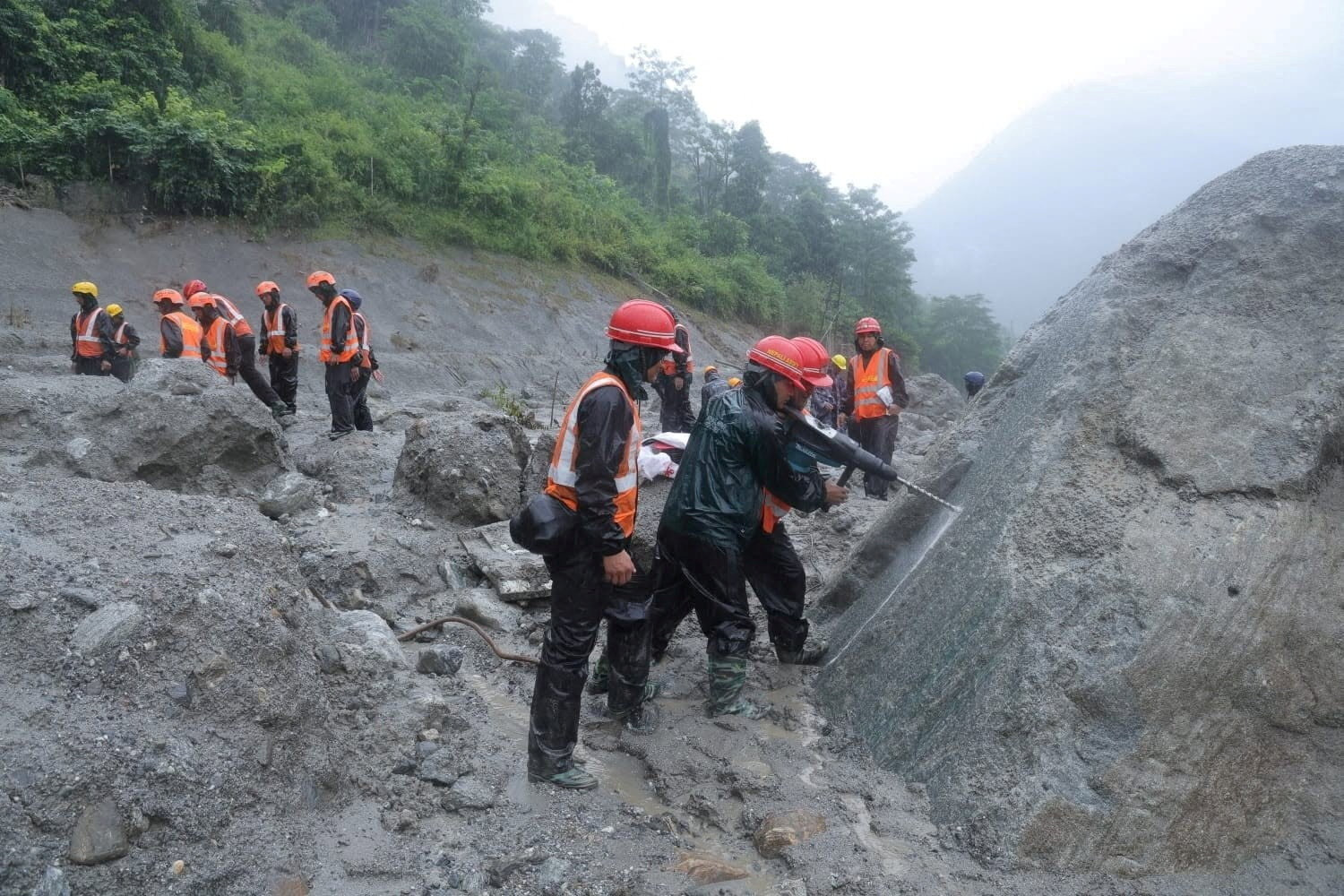
As of August 31, Al Jazeera put it at 903 dead and 4,247 missing in Nepal, with another 16 dead and 546 missing across the border in Tibet. Those figures were described as volatile and climbing at the time they were published.
That is the scale. Where the water landed is the rest of it.
It was a Hindu holy day, a full moon, and the valley was full. Democracy Now reported pilgrims, traders, tourists and hydropower crews all in the same corridor when the water came through.
The hydropower crews are the part that is not resolved. Al Jazeera reported 933 workers among the missing, several hundred of them believed trapped inside about half a dozen tunnel systems, with the Trishuli 3A and 3B projects the focus of the digging. Nearly 300 have been brought out alive.
The water did not stop at the border. Bodies have been recovered about 155 miles downstream in India, per Democracy Now, and the surge destroyed the Gyirong Port crossing on the Nepal-Tibet border.
One number says what the valley lost better than the toll does.
CARE reports that a community of 250 households, displaced once already by the 2015 earthquake and resettled on the low banks of the Trishuli, was swept away entirely. More than 10,000 households along that corridor now need emergency shelter.
This is not only a Nepal number. The UN Office for Disaster Risk Reduction compared the twenty years to 2019 against the twenty before them and found climate-related disasters had risen from 3,656 to 6,681. Major floods more than doubled over the same period, from 1,389 to 3,254.
The ice is still up there.
By the numbers
- 903 dead, 4,247 missing — in Nepal as of August 31, plus 16 dead and 546 missing in Tibet; figures volatile and climbing[1]
- 933 — hydropower workers among the missing, several hundred believed trapped in about half a dozen tunnel systems; nearly 300 rescued so far[2]
- about 3,900 feet — the drop of the glacier collapse off the north face of Langtang Lirung on August 26, into the Lende and Trishuli river system[3]
- 250 households — a community displaced by the 2015 earthquake and resettled on the Trishuli riverbank, swept away entirely; more than 10,000 households along the corridor need emergency shelter[4]
- 1,389 to 3,254 — the rise in major floods worldwide between 1980-1999 and 2000-2019; all climate-related disasters rose from 3,656 to 6,681[5]
The reporting
This story is built on reporting by Democracy Now. Read the original →
Sources
- Al Jazeera, Nepal tunnel traps hinder flood rescue: how many are dead or missing
- Democracy Now, Nepal floods aftermath
- EarthSky, Nepal flash flood after glacier collapse and landslide
- CARE, Nepal flash floods 2026 emergency response
- UN Office for Disaster Risk Reduction, dramatic rise in climate disasters over the last twenty years
- Al Jazeera, in pictures: devastation from the Nepal-China floods
Image credits
- Hero: source (Editorial use, credited) — Prabin Ranabhat/AFP, via Al Jazeera
- In story: source (Editorial use, credited) — Nepal Prime Minister's Office handout, via Reuters and Al Jazeera
- In story: source (CC BY 2.0, via Wikimedia Commons) — Stefanos Nikologianis