NASA launches a telescope that sees a hundred times more sky than Hubble
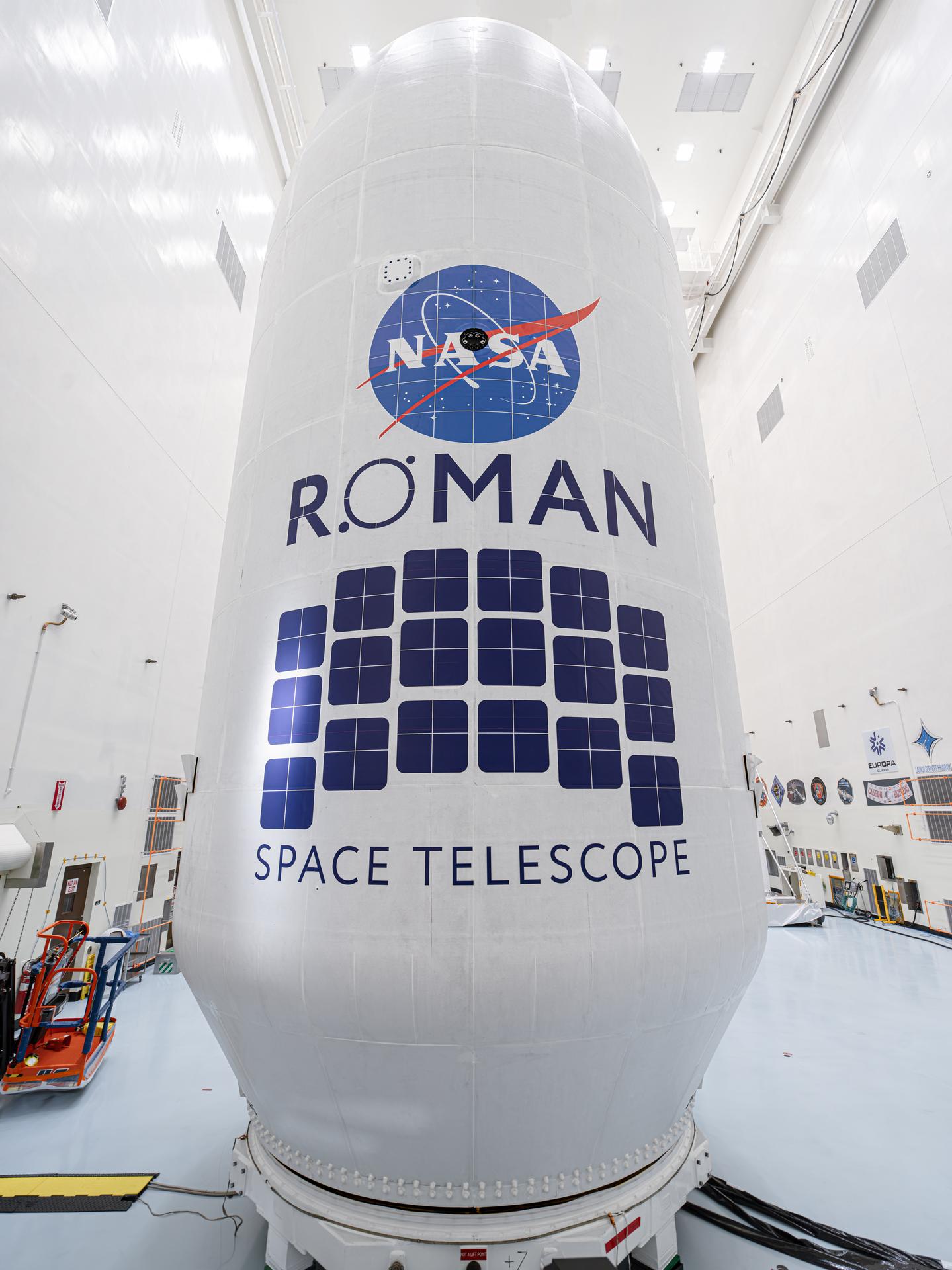
At 7:26 on Sunday morning, Eastern time, a Falcon Heavy is scheduled to lift off from Launch Complex 39A at the Kennedy Space Center carrying the Nancy Grace Roman Space Telescope. NASA begins its coverage at 6:20 the morning before.
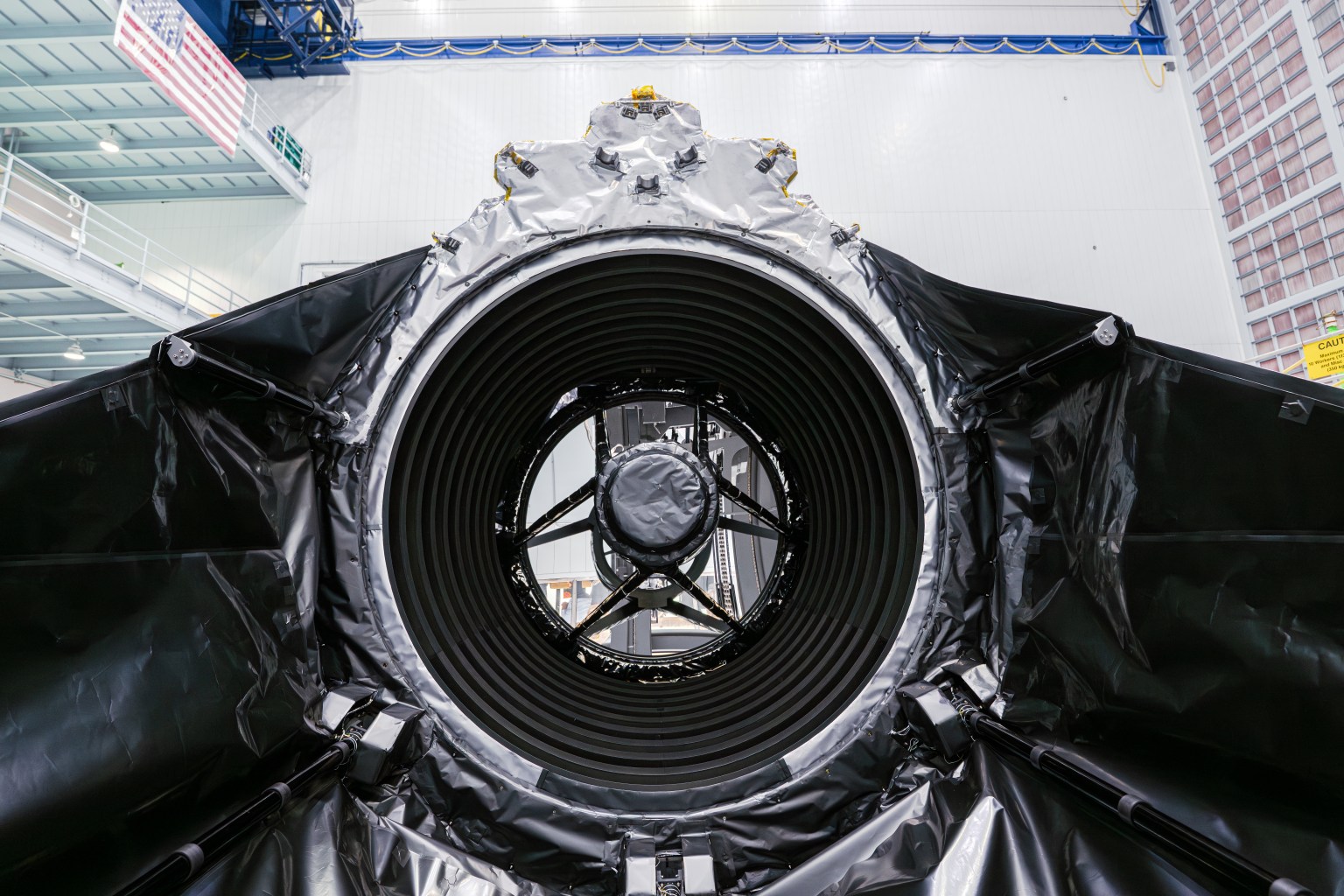
Roman has the same 7.9 foot mirror as Hubble. What it does not have is Hubble's narrow view. Its field is at least a hundred times wider, which is the whole point of it: the same sharpness, pointed at a hundred times more sky at once. NASA's astrophysics chief, Shawn Domagal-Goldman, puts it as having the wide-angle view of the forest and the sharpness to see the leaves on the trees.

The plan is to map more than two billion galaxies and to turn up as many as a hundred thousand planets nobody has seen. Roman is built to look in infrared, which is another way of saying it is built to see heat. That creates a problem, and the solution is where it goes.
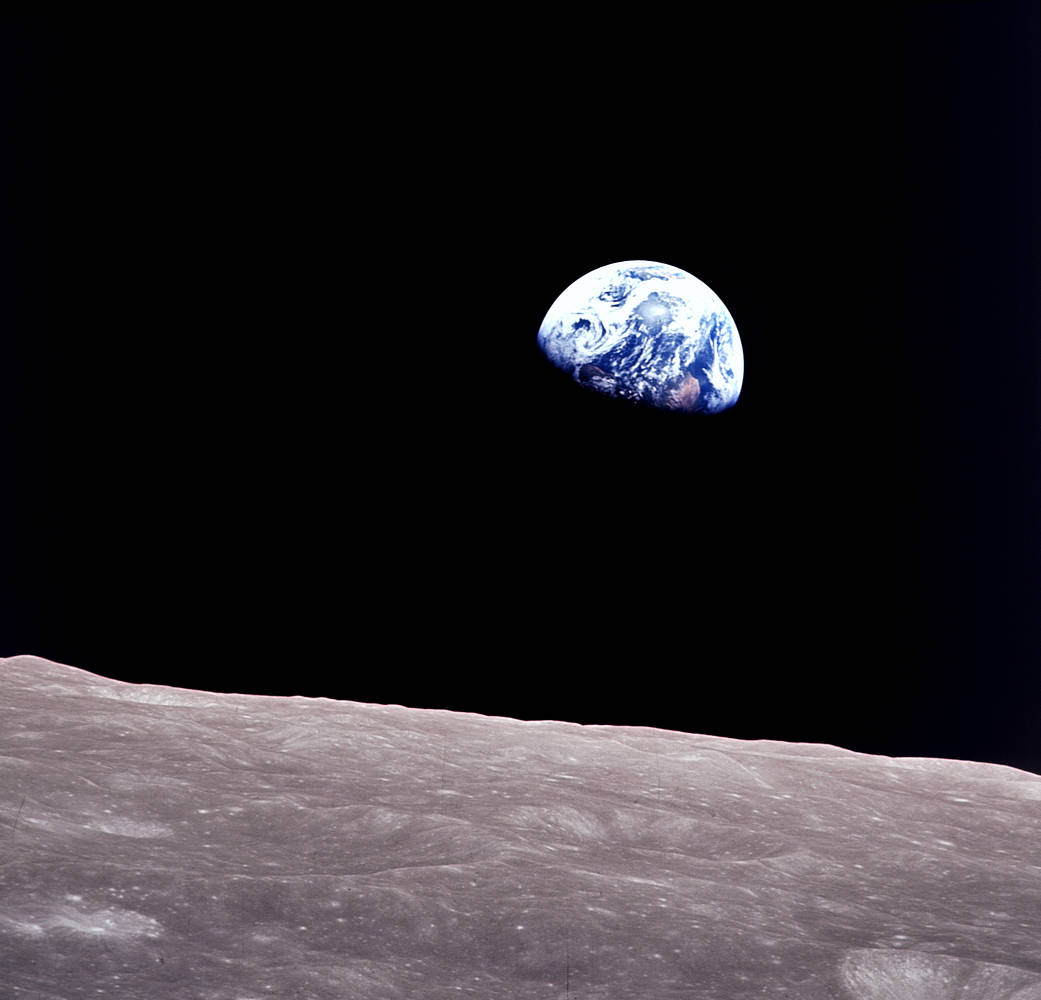
It will park about 930,000 miles out, at the point called L2. The Moon is 238,900 miles away, so Roman sits almost four times farther than that. It is not going far in any cosmic sense. It is going exactly far enough that the Earth's own warmth stops swamping an instrument designed to register warmth.
The mission cost 4.3 billion dollars from design through launch, and it very nearly did not fly. The White House proposed cutting NASA's astrophysics budget by 67 percent this year, a reduction that on its own would have ended Roman. Congress refused. That was the fourth time an attempt to cancel this telescope has been rejected.

David Spergel, president of the Simons Foundation, put the case in plain terms: you have built it, and you are not going to do the final step to finish it? That is such a waste of taxpayers' money.
The telescope carries the name of Nancy Grace Roman, NASA's first chief astronomer and the first woman to hold an executive post at the agency. She is nicknamed the Mother of Hubble. She also spent years arguing for the kind of survey work that would eventually become exoplanet science, decades before anyone had found a planet around another star. The instrument that now outsees Hubble carries her name, which is either a tidy piece of symmetry or the least NASA could do.
By the numbers
- 100x — Roman's field of view compared with Hubble's, at the same mirror size[1]
- 2 billion — galaxies Roman is set to map[2]
- 930,000 mi — Roman's distance from Earth at L2, against 238,900 miles to the Moon[3]
- $4.3B — total mission cost, design through launch[4]
- 67% — proposed cut to NASA astrophysics in the 2026 budget request[5]
- 4 — times Congress has rejected an attempt to cancel Roman[6]
The reporting
This story is built on reporting by NASA. Read the original →
Sources
- NASA sets coverage for Roman Space Telescope launch from Florida
- NASA, Roman Space Telescope mission page
- NASA, Roman press kit (PDF)
- Scientific American, NASA's next major space telescope is ready to launch. Trump wants to kill it
- Space.com, Congress rejects deep NASA budget cuts
- Forbes, 10 things to know about Roman before its Aug 30 launch
- The Planetary Society, Roman mission spending
- NASA, Nancy Grace Roman, first chief astronomer
Image credits
- Hero: source (Public domain (NASA)) — NASA/Sydney Rohde
- Nancy Grace Roman: source (Public domain (NASA)) — NASA
- Primary mirror: source (Public domain (NASA)) — NASA/Sydney Rohde
- Earthrise: source (Public domain (NASA)) — NASA/Bill Anders
- David Spergel: source (Public domain (NASA)) — NASA/Joel Kowsky

Citations
- NASA, Roman press kit
- Forbes, 25 Aug 2026
- NASA, Roman press kit
- The Planetary Society
- Scientific American
- Scientific American